In 2026, Enterprise Resource Planning (ERP) systems are no longer just back-office tools—they are becoming intelligent, cloud-powered, and data-driven platforms that drive strategic decision-making. Businesses across industries are rapidly adopting modern ERP solutions like Microsoft Dynamics 365 to stay competitive, agile, and future-ready.
If your organization is planning digital transformation or looking for a reliable Microsoft Dynamics 365 partner in Texas, USA, understanding these trends is crucial. This article explores the top 7 ERP trends shaping 2026, along with their business impact and why companies are investing heavily in solutions like Microsoft Dynamics 365 Business Central in Texas, USA.
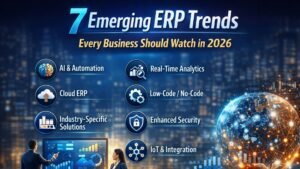
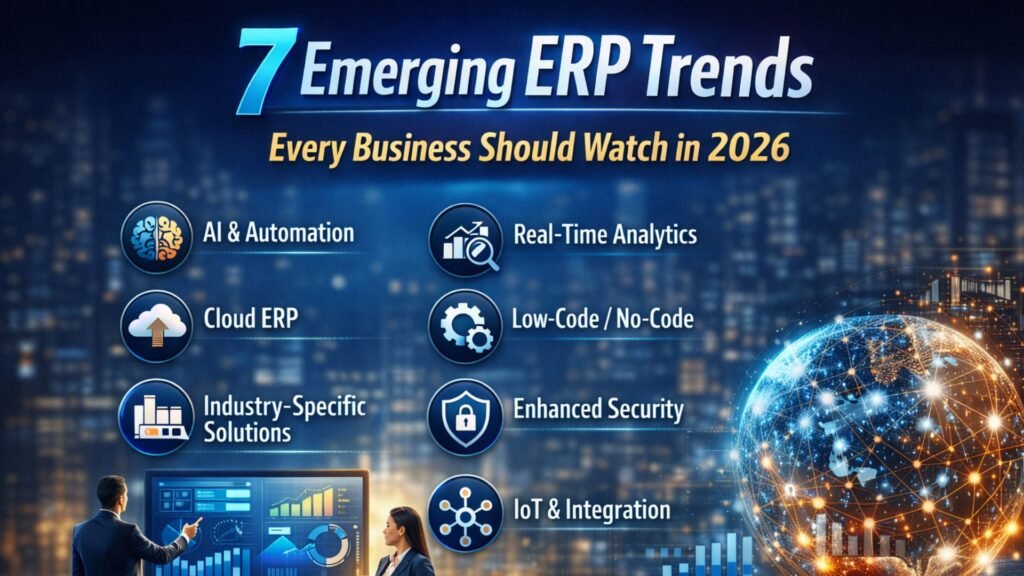
1. AI-Driven and Autonomous ERP Systems
Artificial Intelligence (AI) is the most transformative ERP trend in 2026. Modern ERP platforms are embedding AI capabilities that go beyond automation.
Key Capabilities:
- Predictive analytics for demand forecasting
- Automated financial reporting
- Intelligent anomaly detection
- AI copilots for decision-making
ERP systems are evolving from reactive tools to proactive systems, helping businesses anticipate problems before they occur. According to recent insights, AI-driven ERP allows companies to automate workflows and improve decision-making significantly.
Business Impact:
Companies leveraging Microsoft Dynamics 365 Support Services in Texas, USA, are already benefiting from AI-powered insights that improve operational efficiency and reduce human error.
2. Cloud-First ERP Adoption
Cloud ERP is no longer optional—it is the standard. Businesses are moving away from legacy on-premise systems toward scalable, cloud-based platforms.
Why Cloud ERP is Dominating:
- Lower infrastructure costs
- Real-time data access
- Remote accessibility
- Faster deployment
Studies show that the majority of ERP deployments are now cloud or hybrid rather than traditional on-premise systems.
Business Impact:
Organizations adopting MS Dynamics 365 implementation services in Texas, USA, benefit from flexibility, scalability, and seamless updates.
3. Industry-Specific ERP Solutions
One-size-fits-all ERP systems are fading. Businesses now prefer industry-specific ERP solutions tailored to their needs.
Examples:
- Manufacturing ERP with production planning
- Retail ERP with omnichannel capabilities
- Healthcare ERP with compliance features
Industry-focused ERP reduces customization costs and accelerates implementation.
Business Impact:
Companies working with Microsoft Dynamics consulting services in Texas, USA, can deploy tailored ERP solutions faster with better ROI.
4. Real-Time Data and Advanced Analytics
In 2026, data is the backbone of decision-making. ERP systems are integrating advanced analytics and real-time dashboards.
Key Features:
- Live financial reporting
- Real-time inventory tracking
- Predictive business insights
Businesses can now make data-driven decisions instantly, improving agility and competitiveness.
Business Impact:
With D365 migration services in Texas, USA, companies can upgrade legacy systems to real-time analytics platforms that deliver actionable insights.
5. Low-Code/No-Code ERP Customization
Customization used to be expensive and time-consuming. Now, low-code and no-code platforms are transforming ERP development.
Benefits:
- Faster customization
- Reduced dependency on developers
- Increased flexibility
This trend empowers business users to modify workflows without deep technical expertise.
Business Impact:
Organizations using Microsoft Dynamics 365 Business Central in Texas, USA, can quickly adapt ERP systems to changing business needs.
6. Enhanced Cybersecurity and Compliance
With increasing cloud adoption, cybersecurity has become a top priority.
Key Security Trends:
- Multi-factor authentication (MFA)
- Data encryption
- Continuous monitoring
- Automated compliance reporting
ERP systems must comply with global regulations like GDPR and data protection laws.
Business Impact:
Businesses relying on Microsoft Dynamics 365 Support Services in Texas, USA, benefit from robust security frameworks that protect sensitive data.
7. ERP Integration with Emerging Technologies (IoT, AI, and Automation)
ERP systems are now integrating with emerging technologies like IoT, machine learning, and automation tools.
Examples:
- IoT-enabled inventory tracking
- Automated supply chain management
- Smart manufacturing systems
These integrations create a connected ecosystem, enabling smarter operations and improved efficiency.
Business Impact:
Companies adopting Microsoft Dynamics consulting services in Texas, USA, can leverage these integrations to optimize business processes and drive innovation.
Why Microsoft Dynamics 365 is Leading ERP Innovation
Microsoft Dynamics 365 is at the forefront of these trends, offering:
- AI-powered insights
- Seamless integration with Microsoft tools
- Cloud scalability
- Industry-specific solutions
Businesses partnering with a Microsoft Dynamics 365 partner in Texas, USA, gain access to advanced ERP capabilities that align with modern business needs.
How to Prepare for ERP Trends in 2026
To stay competitive, businesses should:
1. Invest in Cloud ERP: Upgrade legacy systems with D365 migration services in Texas, USA.
2. Focus on AI and Automation: Adopt ERP systems that support intelligent automation.
3. Choose the Right Partner: Work with experienced providers offering MS Dynamics 365 implementation services in Texas, USA.
4. Prioritize Security: Ensure your ERP system meets compliance and security standards.
5. Enable Data-Driven Decision Making: Leverage real-time analytics for better business outcomes.
Conclusion
ERP systems in 2026 are smarter, faster, and more connected than ever before. From AI-driven automation to cloud-first architectures, these trends are reshaping how businesses operate.
Organizations that embrace these innovations—especially through solutions like Microsoft Dynamics 365 Business Central in Texas, USA—will gain a competitive edge in efficiency, scalability, and decision-making.
Partnering with the right Microsoft Dynamics 365 partner in Texas, USA, ensures a smooth transition and long-term success in this rapidly evolving ERP landscape.
FAQs
Q1. What are the key ERP trends in 2026?
Ans: The major trends include AI-driven ERP, cloud adoption, real-time analytics, industry-specific solutions, low-code customization, enhanced cybersecurity, and integration with emerging technologies.
Q2. Why is cloud ERP important in 2026?
Ans: Cloud ERP offers scalability, flexibility, cost efficiency, and real-time access to data, making it essential for modern businesses.
Q3. How does AI improve ERP systems?
Ans: AI enhances ERP by automating processes, predicting trends, detecting anomalies, and providing actionable insights.
Q4. What is the role of Microsoft Dynamics 365 in ERP trends?
Ans: Microsoft Dynamics 365 leads ERP innovation with AI capabilities, cloud integration, and industry-specific solutions.
Q5. How can businesses choose the right ERP partner?
Ans: Businesses should look for experience, industry expertise, and services like Microsoft Dynamics 365 Support Services in Texas, USA, and MS Dynamics 365 Implementation Services in Texas, USA.
Q6. What are the benefits of ERP migration?
Ans: ERP migration improves system performance, enables real-time analytics, enhances security, and supports scalability.
Q7. Is ERP suitable for small businesses?
Ans: Yes, modern cloud ERP solutions like Microsoft Dynamics 365 Business Central in Texas, USA, are designed for businesses of all sizes.
Q8. What industries benefit most from ERP in 2026?
Ans: Manufacturing, retail, healthcare, logistics, and finance are among the top industries benefiting from ERP systems.