Enterprise Resource Planning (ERP) systems are no longer just back-office tools—they are strategic platforms that drive growth, innovation, and competitive advantage. For organizations across Texas, implementing Microsoft Dynamics 365 is a major step toward operational excellence. However, true ERP success does not end with implementation. The real value is realized over time through managed ERP support that ensures stability, scalability, and continuous optimization.
This article explores how businesses can build long-term ERP value through managed support, with a focus on Microsoft Dynamics 365, Business Central, and expert services delivered by a trusted Microsoft Dynamics 365 partner in Texas, USA.
Understanding Managed ERP Support
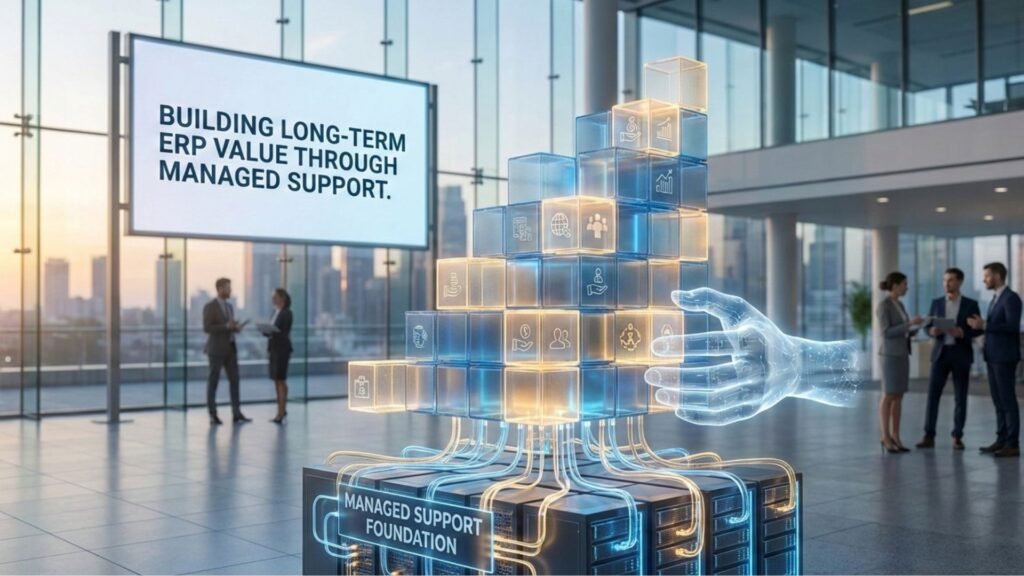
Managed ERP support is a proactive, ongoing service model designed to maintain, enhance, and optimize ERP systems post-implementation. Unlike reactive break-fix support, managed services focus on continuous improvement, system performance, and business alignment.
For organizations using Microsoft Dynamics 365, managed support typically includes:
- Application monitoring and performance optimization
- Functional and technical support
- Security updates and compliance management
- Upgrade and release management
- User training and adoption support
- Strategic ERP roadmap planning
By partnering with a provider offering Microsoft Dynamics 365 Support Services in Texas, USA, businesses can ensure their ERP system evolves alongside their operational and market needs.
Why Long-Term ERP Value Matters
ERP implementations require significant investment in time, budget, and resources. Without structured post-go-live support, organizations often experience:
- Underutilized ERP features
- System performance degradation
- User frustration and low adoption
- Increased operational risk
- Higher long-term costs
Managed ERP support transforms ERP from a static system into a dynamic business enabler, helping organizations extract maximum ROI throughout the ERP lifecycle.
The Role of Microsoft Dynamics 365 in Modern Enterprises
Microsoft Dynamics 365 is a cloud-first, modular ERP and CRM platform designed to support businesses of all sizes. It integrates seamlessly with Microsoft tools like Power BI, Azure, Microsoft 365, and Teams, making it a powerful digital backbone.
Key advantages include:
- Cloud scalability and flexibility
- Real-time analytics and reporting
- AI-driven insights
- Industry-specific capabilities
- Regular updates and feature enhancements
To fully leverage these capabilities, businesses rely on experienced Microsoft Dynamics consulting services in Texas, USA that understand both the technology and the local business landscape.
Microsoft Dynamics 365 Business Central: Driving Mid-Market Success
For small and mid-sized organizations, Microsoft Dynamics 365 Business Central in Texas, USA offers a comprehensive ERP solution that unifies finance, sales, operations, supply chain, and customer service.
Business Central Benefits
- Simplified financial management
- Automated supply chain processes
- Enhanced inventory and warehouse control
- Built-in reporting with Power BI
- Faster decision-making with real-time data
However, Business Central’s real strength lies in its adaptability—something that can only be achieved with continuous support and optimization through managed services.
Managed Support vs Traditional ERP Support
| Traditional Support | Managed ERP Support |
|---|---|
| Reactive issue resolution | Proactive monitoring and optimization |
| Limited to tickets | Strategic ERP management |
| High downtime risk | Improved system uptime |
| Unpredictable costs | Predictable monthly pricing |
| Minimal business alignment | Continuous value delivery |
A trusted Microsoft Dynamics 365 partner in Texas, USA delivers managed support that aligns ERP functionality with business objectives.
How Managed Support Builds Long-Term ERP Value
1. Proactive System Monitoring
Managed services ensure your Dynamics 365 environment is continuously monitored for performance issues, system errors, and integration failures—before they impact business operations.
2. Continuous Optimization
As business needs change, managed support helps optimize workflows, reports, and configurations to maintain efficiency and relevance.
3. Security and Compliance
With increasing cybersecurity threats and regulatory requirements, managed ERP support ensures timely security patches, role-based access control, and compliance adherence.
4. Seamless Updates and Upgrades4. Seamless Updates and Upgrades
Microsoft releases frequent updates for Dynamics 365. Managed support ensures these updates are tested, deployed, and aligned with customizations—minimizing disruption.
5. Improved User Adoption
Ongoing training, documentation, and functional support help users fully leverage ERP capabilities, improving productivity and reducing errors.
Supporting ERP Implementation and Beyond
Even the most successful implementations require post-go-live support. Businesses leveraging MS Dynamics 365 Implementation services in Texas, USA benefit from a structured transition into managed support that includes:
- Hypercare support after go-live
- Knowledge transfer from implementation teams
- Performance benchmarking
- Post-implementation optimization
This continuity ensures that implementation success translates into long-term operational value.
ERP Migration and Managed Support: A Strategic Combination
Many Texas-based organizations are modernizing legacy ERP systems by moving to Dynamics 365. D365 migration services in Texas, USA help businesses transition from outdated platforms like NAV, GP, or on-premise ERPs to the cloud.
Managed support plays a critical role post-migration by:
- Stabilizing the new environment
- Optimizing migrated processes
- Resolving data and integration challenges
- Enhancing performance and usability
Without managed services, ERP migrations often fail to deliver expected benefits.
Industry-Specific Value of Managed ERP Support
Manufacturing
- Production planning optimization
- Inventory accuracy
- Predictive maintenance support
Distribution & Retail
- Demand forecasting
- Supply chain visibility
- Pricing and promotions optimization
Professional Services
- Project accounting
- Resource utilization
- Time and expense management
Local expertise from Microsoft Dynamics consulting services in Texas, USA ensures industry-specific best practices are applied effectively.
The Importance of Geographic Expertise
Texas is home to diverse industries, regulatory requirements, and business ecosystems. Working with a Microsoft Dynamics 365 partner in Texas, USA ensures:
- Local compliance understanding
- Onshore support availability
- Alignment with regional business practices
- Faster response times
Geographic proximity enhances collaboration, trust, and service quality.
Managed ERP support is increasingly discovered through voice search and AI-powered answers. Addressing common user queries improves visibility and engagement.
Key Features of a Reliable Managed ERP Support Partner
When selecting a managed support provider, look for:
- Certified Microsoft Dynamics professionals
- Proven experience in Texas-based deployments
- SLA-driven support models
- Industry-specific expertise
- Scalable engagement options
- Transparent pricing
A seasoned Microsoft Dynamics 365 partner in Texas, USA delivers both technical excellence and strategic guidance.
Future-Proofing ERP with Managed Support
ERP systems must evolve with emerging technologies such as:
- AI and machine learning
- Advanced analytics
- Automation and RPA
- IoT integrations
Managed support ensures your Dynamics 365 environment stays future-ready by continuously adopting new innovations without disrupting operations.
Frequently Asked Questions (FAQs)
Q 1 What is managed ERP support in Microsoft Dynamics 365?
Ans: Managed ERP support is an ongoing service model that provides proactive monitoring, optimization, upgrades, and strategic guidance for Dynamics 365 environments.
Q 2. Why is managed support important after ERP implementation?
Ans: ERP implementation is only the beginning. Managed support ensures system stability, continuous improvement, and long-term ROI.
Q 3. How does managed support differ from standard support?
Ans: Standard support is reactive, while managed support is proactive and strategic, focusing on performance, optimization, and business alignment.
Q 4. Can managed support help after D365 migration?
Ans: Yes. Managed services are critical after D365 migration services in Texas, USA to stabilize the system and optimize migrated processes.
Q 5. Is managed ERP support suitable for small and mid-sized businesses?
Ans: Absolutely. Businesses using Microsoft Dynamics 365 Business Central in Texas, USA benefit greatly from managed support due to limited internal IT resources.
Q 6. How does managed support improve user adoption?
Ans: Through continuous training, functional assistance, and system enhancements that align with user workflows.
Q 7. What industries benefit most from managed ERP support?
Ans: Manufacturing, distribution, retail, professional services, healthcare, and energy sectors see significant value from managed ERP services.
Q 8. Why choose a local Microsoft Dynamics 365 partner in Texas, USA?
Local partners offer better regional expertise, faster response times, regulatory knowledge, and stronger collaboration.
Conclusion: Turning ERP into a Long-Term Strategic Asset
ERP success is not defined by go-live—it is defined by long-term value creation. Managed ERP support transforms Microsoft Dynamics 365 from a transactional system into a strategic growth platform.
By partnering with a trusted provider offering Microsoft Dynamics 365 Support Services in Texas, USA, businesses can ensure continuous optimization, improved user adoption, reduced risk, and sustainable ROI.
Whether you are implementing, migrating, or optimizing your ERP, working with an experienced Microsoft Dynamics 365 partner in Texas, USA ensures your ERP investment delivers measurable business value—today and in the future.