
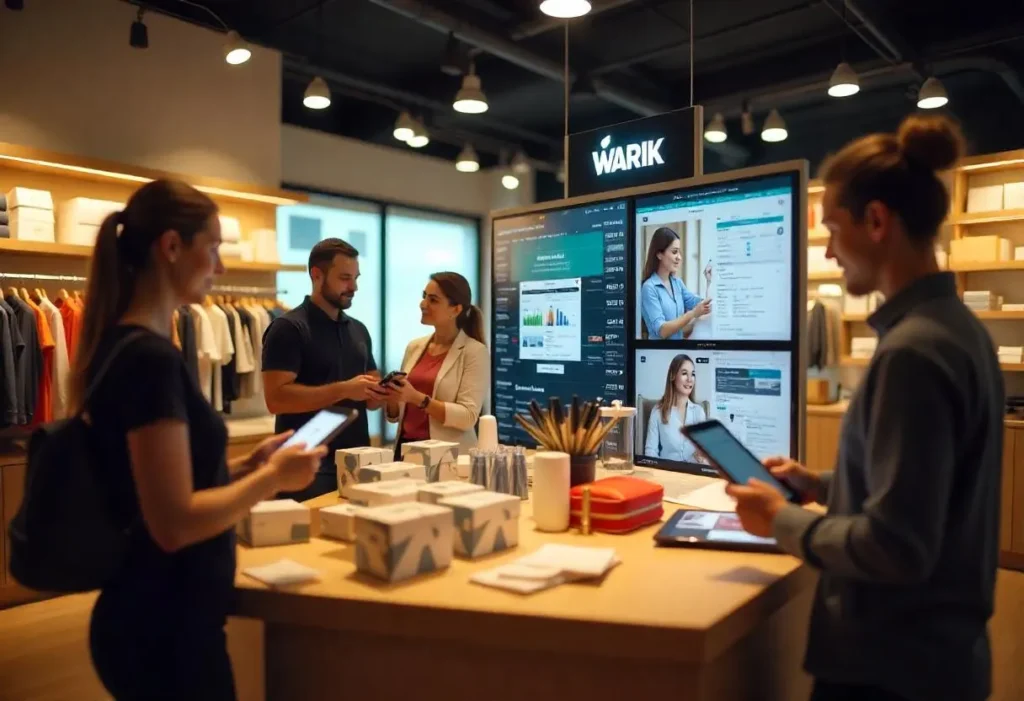
5 Ways Retailers Can Personalize Customer Experience with D365 Commerce
In today’s highly competitive retail landscape, personalization is no longer a luxury—it’s a necessity. Modern consumers expect tailored experiences, seamless interactions, and immediate value. For retailers striving to meet these expectations, Microsoft Dynamics 365 Commerce offers a comprehensive solution to deliver personalized, omnichannel experiences. As a leading solution in Microsoft’s ecosystem, D365 Commerce empowers retailers to unify back-end operations with customer-facing experiences. When implemented by an experienced Microsoft Dynamics 365 Partner in Canada, this platform transforms customer journeys across both physical and digital channels. In this article, we’ll explore five powerful ways retailers can personalize the customer experience using Dynamics 365 Commerce and how LS Central, LS Retail, and Business Central integrations take this capability even further. Unified Customer Profiles Across Channels One of the core challenges retailers face is disconnected customer data. D365 Commerce centralizes data across all touchpoints—online, in-store, and mobile—providing a 360-degree view of customer profiles. This allows retailers to track purchase history, preferences, wish lists, and behaviors across channels. How it Personalizes: LS Central Partners in Canada and the USA can further extend this capability by integrating POS, inventory, and loyalty systems directly into one platform. This ensures a seamless flow of data and enhanced personalization at checkout. AI-Driven Product Recommendations Dynamics 365 Commerce leverages Azure AI and machine learning to analyze customer behavior in real time. It automatically generates personalized product recommendations based on previous purchases, browsing history, and customer segments. Key Features: By working with a trusted LS Retail Partner in Canada or the USA, retailers can fine-tune these algorithms to align with their business logic and customer demographics, ensuring the most relevant suggestions. Omnichannel Loyalty Programs Customers love rewards, but only when they’re convenient and relevant. D365 Commerce supports centralized loyalty programs that work seamlessly across e-commerce, mobile apps, and physical stores. Benefits of Personalization: Retailers who use Dynamics NAV Business Central in Canada and the USA can connect loyalty data directly to ERP operations, enabling automatic discounting, tracking of redemptions, and real-time loyalty reporting. Personalized Shopping Journeys with Customer Segmentation D365 Commerce supports advanced customer segmentation, allowing retailers to define segments based on demographics, shopping history, and location. These segments can then be used to deliver highly targeted content and offers. Examples: Through LS Central Implementation Partners in Canada and the USA, segmentation strategies can be fully integrated into in-store digital signage, self-checkout kiosks, and staff-assisted sales workflows. Connected Commerce with ERP Integration One of the most effective ways to personalize experiences is through real-time operational data. By integrating D365 Commerce with Dynamics NAV or Business Central, retailers gain real-time visibility into inventory, order history, and customer accounts. Use Cases: Partnering with a Microsoft Dynamics 365 Partner in Canada or the USA ensures that your ERP and retail platforms work as one, enabling seamless personalization without data silos. Real-World Use Case: Fashion Retailer A fashion brand partnered with an LS Central Partner in Canada to implement D365 Commerce integrated with LS Central and Business Central. Within 6 months, they achieved: This transformation was only possible due to their collaboration with a certified Microsoft Dynamics 365 Partner in Canada, who customized the system to meet their unique needs. Why Choose the Right Partner? The power of Dynamics 365 Commerce is maximized when implemented by experienced partners. A Microsoft Dynamics 365 Partner in the USA or Canada understands the regional compliance, business culture, and customer behavior patterns to tailor your solution effectively. Similarly, LS Retail Partners in Canada and the USA bring specialized retail knowledge to help with: Conclusion Personalization in retail is no longer a “nice-to-have”—it’s the key to building loyalty and driving sales. With Microsoft Dynamics 365 Commerce, supported by LS Retail, LS Central, and Dynamics NAV Business Central, retailers can deliver truly personalized customer journeys from start to finish. If you’re a retailer looking to elevate your customer experience in Canada or the USA, partnering with a certified Microsoft Dynamics 365 or LS Central Implementation Partner is your next strategic move. Frequently Asked Questions (FAQs) Q 1. What is Microsoft Dynamics 365 Commerce? Ans: It’s a comprehensive retail solution that integrates e-commerce, point of sale, customer service, and back-office operations, helping retailers provide seamless omnichannel experiences. Q 2. How does D365 Commerce personalize the shopping experience? Ans: It uses AI, centralized customer profiles, and segmentation to deliver personalized product recommendations, loyalty rewards, and targeted promotions. Q 3. What is LS Central, and how does it relate to D365 Commerce? Ans: LS Central is a unified software solution built on Microsoft Dynamics 365 Business Central. It adds retail-specific features like POS, inventory, and loyalty management to enhance personalization. Q 4. Can I integrate Dynamics NAV or Business Central with D365 Commerce? Ans: Yes. Integration with Dynamics NAV Business Central allows real-time syncing of customer data, inventory, and transactions, enabling highly personalized experiences. Q 5. How do I find a reliable Dynamics 365 Partner in Canada or the USA? Ans: Look for Microsoft-certified partners with experience in retail implementations, especially those recognized as LS Retail Partners or LS Central Implementation Partners in your region.
5 Ways Retailers Can Personalize Customer Experience with D365 Commerce Read More »