Enterprise Resource Planning (ERP) systems have become the backbone of modern business operations. They help organizations streamline processes, improve productivity, enhance decision-making, and create better visibility across departments. However, implementing or upgrading an ERP solution is rarely a simple undertaking. ERP projects often involve multiple stakeholders, complex workflows, data migration activities, integrations, customizations, and extensive testing. As a result, many businesses struggle to complete ERP projects on time and within budget.
One of the most common reasons for project delays is the lack of skilled resources. Organizations frequently find themselves short of experienced ERP consultants, developers, business analysts, and project managers at critical stages of implementation. Hiring full-time specialists can be costly and time-consuming, particularly when the requirement is temporary and project-specific.
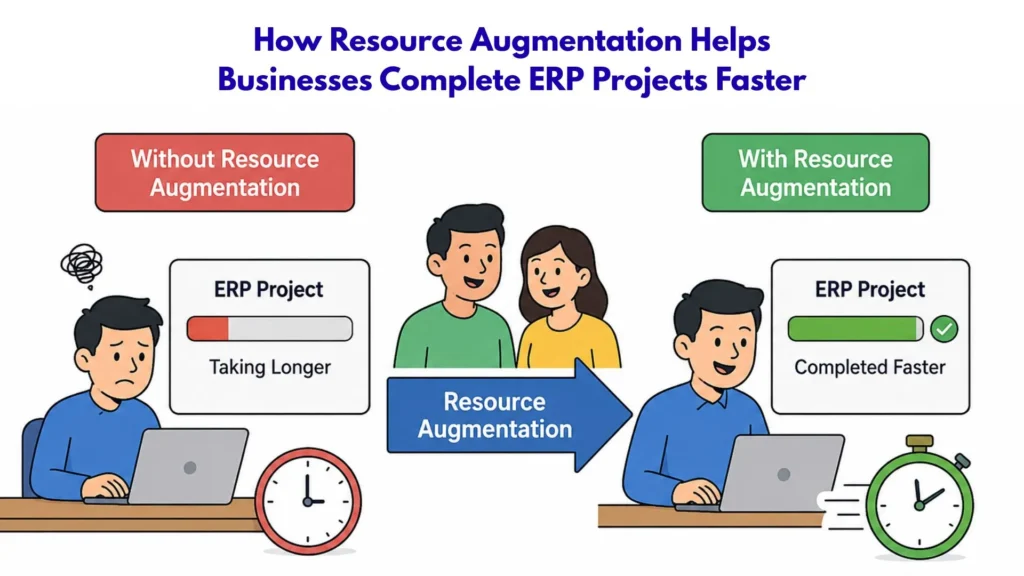
This is where resource augmentation plays a vital role. Resource augmentation enables organizations to add experienced professionals to their existing teams, providing immediate access to specialized expertise without the long-term commitment of permanent hiring. Businesses working with a Microsoft Dynamics 365 partner in Texas, USA, increasingly rely on resource augmentation to accelerate ERP implementations, reduce project risks, and maximize return on investment.
In today’s competitive business environment, organizations need flexible staffing models that allow them to scale quickly and respond effectively to changing project demands. Resource augmentation offers that flexibility while ensuring ERP initiatives remain on track.
Understanding Resource Augmentation
Resource augmentation is a business strategy that allows organizations to temporarily extend their workforce by engaging skilled professionals with expertise in specific technologies, industries, or business functions. Unlike traditional outsourcing, resource augmentation enables businesses to retain complete control over project management while leveraging external talent to fill skill gaps.
In ERP projects, augmented resources work alongside internal teams and contribute directly to project activities. These professionals may include ERP consultants, solution architects, developers, data migration specialists, quality assurance experts, trainers, and project managers.
The primary objective of resource augmentation is to provide businesses with the expertise they need exactly when they need it. Instead of spending months recruiting and onboarding new employees, organizations can quickly integrate experienced professionals into ongoing projects and immediately benefit from their expertise.
This approach is particularly valuable for organizations implementing Microsoft Dynamics solutions, where specialized expertise can significantly influence project success.
Why ERP Projects Often Experience Delays
ERP projects are complex by nature and require coordination between multiple departments, systems, and stakeholders. Even well-planned implementations can encounter challenges that affect timelines and budgets.
Some of the most common causes of ERP project delays include:
- Lack of experienced ERP professionals.
- Insufficient internal resources to handle project demands.
- Complex data migration requirements.
- Customization and integration challenges.
- Ineffective project planning and governance.
When organizations lack the necessary expertise, critical tasks often take longer than expected. Team members may spend valuable time learning new technologies, troubleshooting issues, or correcting mistakes that experienced consultants could have avoided. Resource augmentation addresses these challenges by introducing skilled professionals who can contribute immediately and keep projects moving forward.
How Resource Augmentation Accelerates ERP Project Completion
Immediate Access to Specialized Skills
One of the biggest advantages of resource augmentation is the ability to gain immediate access to specialized ERP expertise. Organizations no longer need to spend months searching for qualified candidates, conducting interviews, and providing training before project work can begin.
Experienced ERP professionals can join the project quickly and start contributing from day one. Their familiarity with implementation methodologies, business processes, and technical requirements allows them to perform tasks efficiently and minimize delays.
For businesses working with a Microsoft Dynamics 365 partner in Texas, USA, resource augmentation provides access to professionals who understand Microsoft technologies, implementation best practices, and industry-specific requirements. This expertise helps organizations avoid common pitfalls and accelerate project delivery.
Increased Project Capacity
Many ERP projects fail to meet deadlines because internal teams simply do not have enough capacity to handle the workload. Employees often balance project responsibilities alongside their regular operational duties, creating bottlenecks that slow progress.
Resource augmentation increases project capacity by adding qualified professionals to support key activities. Additional resources can manage configuration, development, testing, documentation, training, and support tasks, allowing internal teams to focus on strategic decision-making and business operations.
As project workloads increase, organizations can scale their augmented workforce accordingly. This flexibility helps maintain project momentum without overwhelming existing employees.
Faster Decision-Making and Problem Resolution
ERP projects inevitably encounter challenges, whether related to system configuration, business process alignment, integrations, or data quality issues. Inexperienced teams may require significant time to identify and resolve these problems.
Augmented professionals bring valuable experience gained from previous ERP implementations. They can quickly assess issues, recommend solutions, and implement corrective actions before problems escalate. Their expertise often results in faster decision-making and more efficient project execution.
Organizations investing in MS Dynamics 365 implementation services in Texas, USA, frequently benefit from consultants who have completed similar projects across multiple industries. Their practical knowledge helps accelerate project progress and improve overall implementation quality.
Enhanced Data Migration Efficiency
Data migration is one of the most challenging aspects of any ERP implementation. Businesses must transfer large volumes of information from legacy systems while ensuring accuracy, completeness, and consistency.
Without experienced migration specialists, organizations often encounter data quality issues, mapping errors, and extended testing cycles that delay project timelines. Resource augmentation provides access to professionals who specialize in migration planning, execution, validation, and optimization.
Companies utilizing D365 migration services in Texas, USA, often rely on augmented experts to streamline migration activities and ensure a smooth transition to modern ERP platforms. These specialists understand migration tools, data structures, and validation techniques that help reduce risks and improve efficiency.
Improved Project Governance
Effective governance is critical for ERP project success. Organizations need clear communication, accountability, risk management, and performance monitoring throughout the implementation process.
Experienced augmented-reality professionals contribute to stronger governance by helping establish project frameworks, monitoring progress, and identifying potential issues before they impact timelines. Their structured approach improves visibility and ensures stakeholders remain aligned with project objectives.
When combined with internal leadership and external implementation expertise, resource augmentation creates a balanced project environment that supports timely and successful delivery.
Resource Augmentation and Microsoft Dynamics 365
Microsoft Dynamics 365 has become one of the most popular ERP platforms for organizations seeking digital transformation, operational efficiency, and business growth. Its cloud-based architecture, advanced functionality, and integration capabilities make it an attractive solution for businesses across industries.
However, successful implementation requires specialized knowledge and technical expertise. Organizations often require professionals with experience in configuration, customization, reporting, integrations, workflow automation, and user training.
Businesses implementing Microsoft Dynamics 365 Business Central in Texas, USA, frequently use resource augmentation to strengthen their project teams and accelerate deployment timelines. By adding experienced Dynamics professionals, organizations can ensure their implementation aligns with business objectives while minimizing disruptions.
Resource augmentation is particularly valuable for organizations transitioning from legacy systems, where complex migration requirements and process redesign efforts demand additional expertise. Experienced consultants can guide businesses through these challenges and help achieve a successful transformation.
Supporting ERP Modernization and Digital Transformation
Digital transformation initiatives often extend beyond ERP implementation. Organizations are increasingly investing in automation, analytics, artificial intelligence, and cloud technologies to improve operational performance and customer experiences.
ERP modernization projects require a diverse range of skills that may not be available internally. Resource augmentation provides access to professionals who understand both legacy systems and modern business technologies, enabling organizations to bridge knowledge gaps and accelerate transformation initiatives.
Businesses working with Microsoft Dynamics consulting services in Texas, USA, can leverage augmented resources to support strategic planning, process optimization, system integration, and technology adoption efforts. These professionals help organizations maximize the value of their ERP investment while preparing for future growth.
Strengthening Post-Implementation Support
Completing an ERP implementation is only the beginning of the journey. Organizations must continue optimizing their systems, supporting users, and adapting to changing business requirements.
Post-implementation support plays a critical role in ensuring long-term success. Users require assistance, system performance must be monitored, and enhancements may be necessary as business needs evolve.
Companies utilizing Microsoft Dynamics 365 Support Services in Texas, USA, often leverage resource augmentation to strengthen support operations and maintain system stability. Experienced support professionals can quickly resolve issues, improve user adoption, and help organizations maximize the value of their ERP platform.