Microsoft Dynamics 365 Staffing Services in the USA: The Complete 2026 Guide
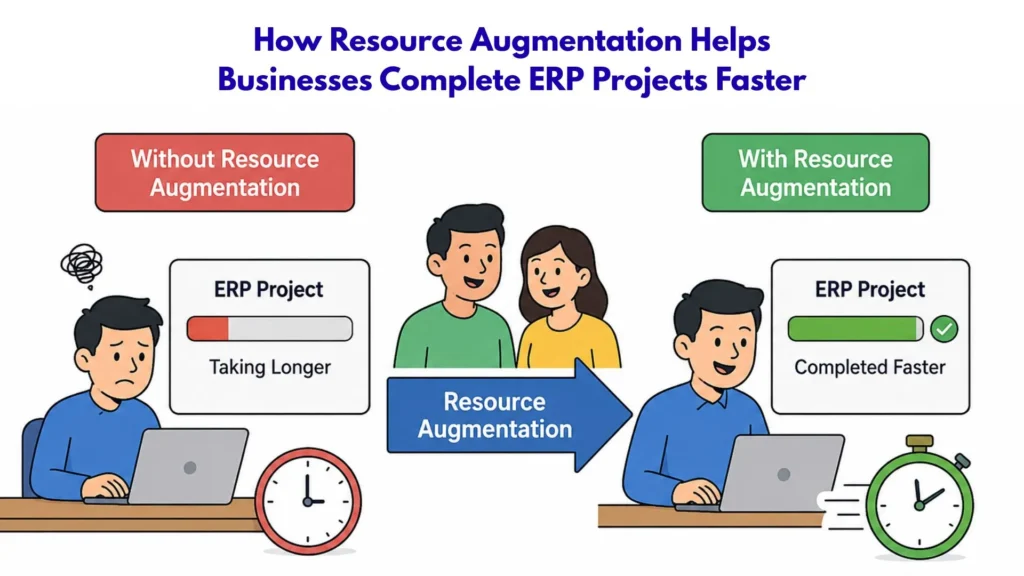
Microsoft Dynamics 365 staffing services connect US companies with pre-vetted, certified Dynamics 365 professionals—functional consultants, developers, solution architects, and project managers—on a contract, contract-to-hire, or dedicated offshore/onsite basis. Instead of running a 6-to-10-week internal recruitment cycle, businesses use a staffing partner like Trident Info Corp to fill Dynamics 365 roles in days to a few weeks, at a lower fully loaded cost than direct hiring. This guide explains what these services include, why demand for them is rising in 2026, how they compare to traditional hiring, and how Trident Info Corp structures its staffing engagements for US clients. What Are Microsoft Dynamics 365 Staffing Services? Microsoft Dynamics 365 staffing services are a form of IT staff augmentation focused specifically on Microsoft’s ERP and CRM platform—covering Dynamics 365 Finance & Operations (F&O), Business Central, Customer Engagement (CRM), Power Platform, and related Azure integrations. A staffing partner maintains a bench of certified Dynamics 365 talent and places individual specialists or full delivery pods inside a client’s project team, under the client’s direction, for the duration of an implementation, migration, or support engagement. Unlike a systems integrator that owns the entire project, a staffing partner supplies the people—the client (or its existing implementation partner) retains project ownership and control. Typical engagement formats include: Why US Businesses Need Dynamics 365 Staffing in 2026 Demand for Dynamics 365 staffing has accelerated because platform growth is outpacing the supply of qualified professionals. The global Microsoft Dynamics market is projected to grow from roughly $11.4 billion in 2025 to $12.7 billion in 2026 and toward $18.9 billion by 2030—a sustained double-digit CAGR driven by cloud ERP adoption and AI-powered process automation. North America holds the largest regional share of that market, at around 42% of global revenue. That growth is colliding with a documented skills shortage: Bottom line: waiting on a traditional hire for a Dynamics 365 role now routinely means a stalled go-live date. Staffing services exist to remove that bottleneck by tapping a pre-vetted bench instead of starting recruitment from zero. Key Dynamics 365 Roles You Can Staff Role What They Do Typical Engagement Dynamics 365 F&O Functional Consultant Configures finance, supply chain, or manufacturing modules to business requirements Contract / dedicated Business Central Developer Builds AL extensions, customizations, and integrations Contract / offshore pod D365 CRM/CE Consultant Configures Sales, Customer Service, and Marketing modules Contract / hybrid Solution Architect Designs the end-to-end technical architecture and integration strategy Project-based, senior contract Power Platform Developer Builds Power Apps, Power Automate flows, and Power BI reporting Contract / offshore Data Migration Specialist Maps and migrates data from legacy ERP (AX, GP, NAV) into Dynamics 365 Short-term, project-based Dynamics 365 Support/Admin Handles post–go-live tickets, patches, and system health Dedicated or shared support Project Manager Runs implementation timelines, budget, and stakeholder communication Full engagement duration Staff Augmentation vs. Full-Time Hiring vs. Project Outsourcing Choosing the right staffing model depends on how long you need the skill set and how much delivery control you want to retain. Factor Staff Augmentation Full-Time Direct Hire Fully Outsourced Project Time to start Days to 2-3 weeks 6-10+ weeks Varies by SOW Cost structure Hourly/monthly rate, no benefits overhead Salary + benefits + overhead (~1.25-1.4x base) Fixed bid or milestone-based Project control The client directs the work. The client directs the work. The vendor directs the work. Best for Skill gaps, surge capacity, hard-to-fill roles Long-term, core team roles Turnkey delivery with less internal oversight Flexibility to scale down High Low (layoffs, severance) Contractual Most US companies staffing Dynamics 365 roles today use staff augmentation because it fills a specific, time-bound skills gap—a Business Central developer for a 6-month migration, for example—without the fixed cost of a permanent hire once the project ends. How Trident Info Corp’s Dynamics 365 Staffing Model Works Trident Info Corp is a Microsoft Dynamics 365 Solution Partner with more than 26 years of ERP and CRM consulting experience, serving Retail, Hospitality, Telecom, Aviation, Logistics, Manufacturing, and Banking & Financial Services clients across the USA. The company runs Dynamics 365 staffing as a structured, four-step process: Clients report saving up to 35-40% on project cost versus building an equivalent in-house team, primarily by avoiding full-time overhead for roles that are only needed for the length of a project. Industries Trident Info Corp Staffs For Why Choose Trident Info Corp for Dynamics 365 Staffing in the USA? Frequently Asked Questions Q1. What are Microsoft Dynamics 365 staffing services? Ans: Microsoft Dynamics 365 staffing services provide businesses with certified Dynamics 365 consultants, developers, and architects on a contract or dedicated basis, so companies can fill project roles without running a full internal recruitment cycle. Q2. How fast can a staffing partner place a Dynamics 365 resource? Ans: Most staffing partners, including Trident Info Corp, can shortlist and onboard a Dynamics 365 resource within days to a few weeks, compared with 6-10+ weeks for a typical direct hire. Q3. How much can staff augmentation save versus hiring full-time? Ans: Businesses typically save up to 35-40% on project cost by using staff augmentation instead of a full-time hire, since staffing avoids benefits, payroll tax, and other overhead tied to permanent employment. Q4. What Dynamics 365 roles can be staffed? Ans: Common staffed roles include functional consultants, business central and F&O developers, power platform developers, solution architects, data migration specialists, support/admin resources, and project managers. Q5. Does Trident Info Corp offer offshore Dynamics 365 staffing? Ans: Yes. Trident Info Corp provides both onshore and offshore/dedicated staff augmentation models for Microsoft Dynamics 365, LS Retail, Azure, SharePoint, and related technologies. Q6. Is staff augmentation better than outsourcing the whole project? Ans: It depends on control needs. Staff augmentation keeps project direction with the client and works best for filling specific skill gaps; full outsourcing hands delivery control to the vendor and suits companies that want a turnkey result with less internal oversight.
Microsoft Dynamics 365 Staffing Services in the USA: The Complete 2026 Guide Read More »