How Managed ERP Services Strengthen Security and Compliance
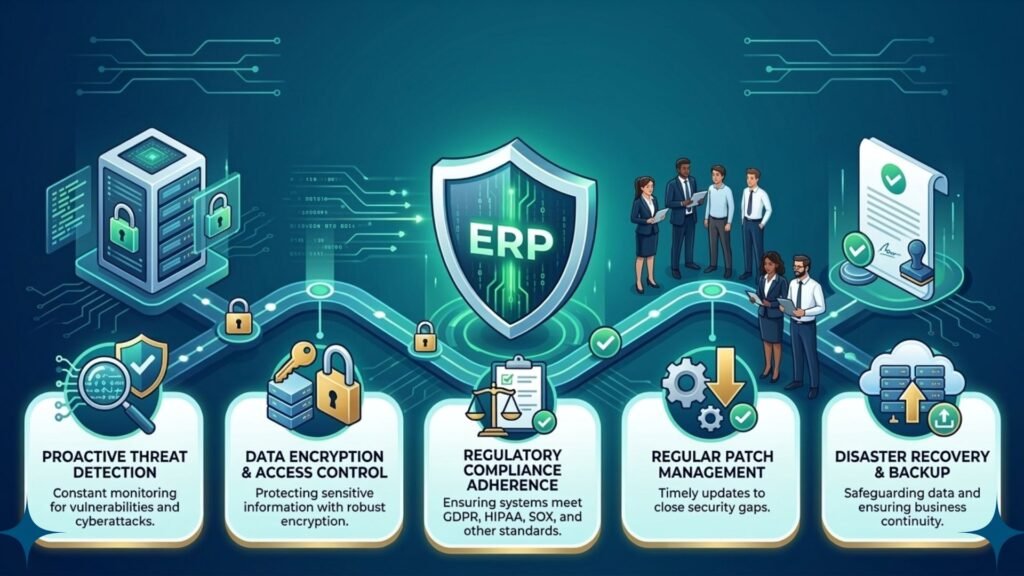
In today’s digital-first business environment, organizations rely heavily on Enterprise Resource Planning (ERP) systems to manage finance, supply chains, operations, and customer data. However, as businesses become more connected and data-driven, the risks associated with cybersecurity threats, regulatory requirements, and compliance management also increase. This is where Managed ERP Services play a critical role. Managed ERP services help organizations maintain secure, reliable, and compliant ERP environments while allowing internal teams to focus on core business activities. Businesses across industries are increasingly partnering with a Microsoft Dynamics 365 partner in Texas, USA, to ensure their ERP systems remain protected against cyber threats while meeting regulatory requirements. This article explores how managed ERP services enhance security, strengthen compliance, and support long-term business growth. Understanding Managed ERP Services Managed ERP services involve outsourcing ERP system management, maintenance, monitoring, and optimization to specialized experts. Instead of relying solely on in-house IT teams, organizations work with ERP specialists who ensure the system operates securely and efficiently. For companies using Microsoft Dynamics 365 Business Central in Texas, USA, managed ERP services often include: These services ensure that ERP platforms remain secure, compliant, and aligned with evolving business requirements. The Growing Importance of ERP Security ERP systems store highly sensitive business data, including financial records, customer information, employee data, and operational insights. This makes ERP platforms attractive targets for cybercriminals. Without proper security measures, organizations may face risks such as: Companies using Microsoft Dynamics 365 Support Services in texas usa often rely on managed ERP providers to implement advanced security frameworks that safeguard sensitive data and protect critical operations. Key Security Benefits of Managed ERP Services 1. Proactive Threat Monitoring One of the biggest advantages of managed ERP services is 24/7 system monitoring. Security specialists continuously monitor ERP environments to detect unusual activities, suspicious logins, or potential vulnerabilities. With the help of Microsoft Dynamics consulting services in Texas, USA, businesses can quickly identify and address potential threats before they escalate into major security incidents. Proactive monitoring includes: This proactive approach significantly reduces the risk of data breaches. 2. Advanced Access Control and User Management Access control is a crucial aspect of ERP security. Not every employee should have access to all system data. Managed ERP providers implement role-based access control (RBAC) to ensure users only access information relevant to their responsibilities. Organizations using MS Dynamics 365 Implementation services in texas usa often configure: These controls prevent unauthorized access and strengthen internal security. 3. Regular Security Updates and Patch Management ERP software vendors frequently release security updates to address vulnerabilities. However, many organizations fail to implement these updates promptly due to resource constraints or operational challenges. Managed ERP providers ensure that: For businesses relying on D365 migration services in texas usa, maintaining updated systems is particularly important because newly migrated environments must remain secure from the start. 4. Data Encryption and Secure Data Storage Managed ERP services also strengthen data protection through encryption. Sensitive information stored within ERP systems is encrypted both in transit and at rest. Security measures include: Organizations implementing Microsoft Dynamics 365 Business Central in texas usa benefit from enterprise-level security features combined with expert management services. 5. Backup and Disaster Recovery Planning Data loss can result from cyberattacks, hardware failures, or human errors. Managed ERP services ensure businesses have robust backup and disaster recovery strategies in place. These strategies include: With support from Microsoft Dynamics 365 Support Services in texas usa, businesses can recover operations quickly in the event of unexpected disruptions. Strengthening Compliance with Managed ERP Services In addition to security, organizations must comply with numerous regulatory requirements. Industries such as finance, healthcare, manufacturing, and retail face strict compliance standards related to data protection, financial reporting, and operational transparency. Managed ERP services help organizations maintain compliance through structured governance and regulatory alignment. 1. Regulatory Compliance Management ERP systems must comply with various regulations, such as: Working with a Microsoft Dynamics 365 partner in texas usa helps businesses ensure their ERP environment aligns with evolving compliance requirements. Managed ERP providers regularly review system configurations, ensuring compliance policies remain properly enforced. 2. Automated Audit Trails Audit trails play an essential role in compliance. ERP systems track all system activities, including user actions, data modifications, and financial transactions. Managed ERP services ensure these logs are: Companies using Microsoft Dynamics consulting services in texas usa can generate compliance reports quickly and efficiently during regulatory audits. 3. Data Governance and Policy Enforcement Effective compliance requires strict data governance policies. Managed ERP providers help organizations implement policies that control: Organizations leveraging MS Dynamics 365 Implementation services in texas usa benefit from structured governance models that ensure consistent compliance across departments. 4. Compliance Reporting and Documentation Managed ERP services simplify compliance reporting by providing automated documentation and reporting tools. Businesses can generate reports related to: This capability is particularly valuable for organizations using D365 migration services in Texas, USA, as regulatory reporting must remain consistent during and after ERP migrations. Why Businesses in Texas Are Adopting Managed ERP Services Texas is home to a rapidly growing business ecosystem that includes manufacturing companies, energy firms, logistics providers, and technology enterprises. As these businesses expand, they require scalable ERP systems that can support growth while maintaining strong security and compliance. Partnering with a trusted Microsoft Dynamics 365 partner in Texas, USA, enables organizations to: Managed ERP services also help businesses focus on innovation rather than technical maintenance. How Managed ERP Services Improve Business Continuity In addition to security and compliance benefits, managed ERP services also improve overall business continuity. Organizations gain advantages such as: Businesses implementing Microsoft Dynamics 365 Business Central in Texas, USA, often rely on managed service providers to maintain system stability while scaling operations. Choosing the Right Managed ERP Partner Selecting the right ERP partner is crucial for maximizing the benefits of managed services. Organizations should evaluate potential providers based on: A reliable provider offering Microsoft Dynamics 365 Support Services in Texas, USA, ensures businesses receive ongoing support, security monitoring, and compliance management. Future of Managed ERP Security
How Managed ERP Services Strengthen Security and Compliance Read More »