Food and Beverage

global-enterprises-navigate-regulatory-compliance-challenges

How Can Global Enterprises Navigate Regulatory Compliance Challenges with Modern ERP?

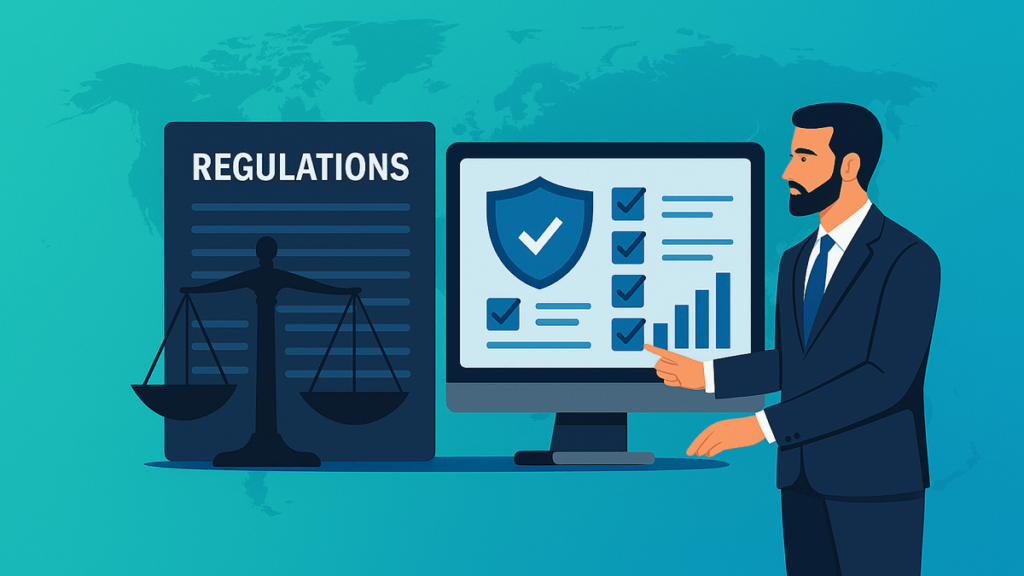
In today’s globalised business landscape, regulatory compliance has evolved into a dynamic and increasingly complex challenge for enterprises operating across multiple countries and jurisdictions. Whether it’s data privacy rules like GDPR, financial reporting standards such as IFRS, industry-specific regulations like FDA or SOC, or state-level tax policies in the United States—enterprises must stay ahead of compliance changes while ensuring operational efficiency. This is where modern ERP systems like Microsoft Dynamics 365 play a pivotal role. With built-in compliance frameworks, automated workflows, auditing capabilities, and advanced data visibility, Dynamics 365 empowers global enterprises to navigate regulatory risks with confidence. For organisations in the U.S.—especially those seeking a Microsoft Dynamics 365 partner in Texas, USA—leveraging a modern ERP is not just strategic but essential for sustainable growth. This article explores in depth how global organisations can use modern ERP solutions to stay compliant, minimise risk, and streamline global operations. We will also examine how localised Dynamics 365 partners can support enterprise-wide compliance initiatives. Understanding the Compliance Challenges Faced by Global Enterprises Global businesses operate across borders, manage vast data ecosystems, and deal with complex transaction flows. This exposes them to multiple layers of compliance expectations, including: Data Security & Privacy Regulations Managing secure data access, encryption, retention, and audit trails becomes difficult without robust systems. Taxation and Financial Reporting Compliance Every country—and often individual states—implements unique: Global entities must align accounting with regulations such as: Industry-Specific Compliance Regulated industries face even stricter rules: Cross-Border Logistics & Trade Compliance International import/export rules involve: Lack of Visibility Across Decentralised Systems Legacy systems behave like separate islands—making compliance reporting and audit readiness difficult. How Modern ERP Systems Solve Compliance Challenges Modern ERP platforms, especially Microsoft Dynamics 365, are purposely designed to simplify regulatory compliance through automation, standardisation, and real-time data intelligence. Here’s how: Built-In Compliance Frameworks Dynamics 365 includes pre-configured industry and region-specific compliance functionalities such as: These features reduce dependency on manual processes and improve accuracy. Unified Data Management for Transparency One of the strongest benefits of Dynamics 365 is centralised data management. This ensures: This helps organisations avoid fines, penalties, or discrepancies in reporting. Continuous Regulatory Updates Microsoft constantly updates Dynamics 365 to reflect: Companies leveraging Microsoft Dynamics 365 Support Services in Texas, USA can implement updates faster with minimal disruption. Automated Workflow & Document Controls Automation minimises human error while improving compliance consistency: These features help organisations monitor processes in real time. Role-Based Access & Advanced Security Modern ERPs offer: This prevents unauthorized access to financial or personal data. Why Dynamics 365 Is the Ideal ERP for Global Compliance As one of the most comprehensive cloud ERP solutions, Dynamics 365 offers both depth and flexibility. For enterprises navigating complex regulatory environments, it is unmatched. Localisation for Country-Specific Compliance Dynamics 365 Finance and Business Central include localisation packs covering: Whether you operate in Europe, Asia, or North America, compliance becomes seamless. Scalability for Global Expansion New international entities can be added quickly with templates.This reduces implementation time and accelerates compliance readiness. Real-Time Analytics for Compliance Reporting Power BI and AI-driven insights allow enterprises to: Seamless Integration with Microsoft Cloud (Azure) Azure provides: This provides a robust base for compliance-sensitive operations. The Role of Microsoft Dynamics Partners in Texas, USA Enterprises in the U.S. increasingly turn to local partners because regulations vary not only by industry but also by state. A Microsoft Dynamics 365 partner in Texas, USA supports organisations by: Local expertise helps businesses reduce compliance risks and accelerate deployment. Additionally, partners provide: Key Compliance Features in Dynamics 365 Below are core features that differentiate Dynamics 365 as a compliance-ready ERP system: Audit Trails & Traceability Track: This makes audits seamless. Regulatory Reporting Automation Dynamics 365 automates: Data Retention Policies You can configure: Compliance Dashboards Real-time dashboards help: Best Practices for Navigating Compliance with Modern ERP Centralise Compliance Data Avoid fragmented data; unify all processes within the ERP system. Standardise Workflows Globally Define standard templates for: Adopt Automated Governance Tools Let automation handle repetitive compliance tasks. Train Teams on Compliance Best Practices Knowledge gaps are a major source of compliance failures. Work with Certified Dynamics Partners Especially for U.S. organisations, a Microsoft Dynamics 365 partner in Texas, USA can guide regulatory alignment effectively. Future of Compliance with AI-Enabled ERPs AI and machine learning are redefining global compliance by: Dynamics 365 AI tools will soon automate entire compliance ecosystems for enterprises. FAQs Q 1. What compliance challenges do global enterprises face? Ans: They face data privacy laws, multi-country tax regulations, industry-specific standards, and cross-border trade laws. Q 2. How does a modern ERP help with compliance? Ans: It automates workflows, manages data centrally, provides audit trails, and ensures standardisation across global operations. Q 3. Why is Microsoft Dynamics 365 ideal for global compliance? Ans: Because it offers localisation, security, automation, AI tools, and continuous regulatory updates. Q 4. What role does a Microsoft Dynamics 365 partner in Texas, USA play? Ans: They help businesses implement, configure, and maintain Dynamics 365 based on Texas-specific and U.S. federal regulations. Q 5. How does Dynamics 365 support financial compliance? Ans: Through IFRS/GAAP reporting templates, automated reconciliations, tax management, and audit history tracking. Q 6. Can Dynamics 365 handle GDPR compliance? Ans: Yes, it includes data classification, retention policies, consent management, and encryption tools. Q 7. How does Dynamics 365 improve audit readiness? Ans: With complete traceability, automated logs, real-time dashboards, and compliance reporting. Q 8. Are cloud ERPs secure for compliance-sensitive industries? Ans: Yes. Azure (hosting platform for D365) is certified for multiple global security standards such as ISO, SOC, and FedRAMP. Q 9. What industries benefit most from compliance-ready ERPs? Ans: Healthcare, finance, retail, manufacturing, logistics, and government contractors. Q 10. Does Dynamics 365 Business Central support U.S. tax regulations? Ans: Yes, especially when implemented by a Microsoft Dynamics 365 Business Central partner in Texas, USA.

How Can Global Enterprises Navigate Regulatory Compliance Challenges with Modern ERP? Read More »

food-beverage-companies

How Food & Beverage Companies Use Dynamics 365 to Master Traceability and Recalls

In the fast-paced food and beverage (F&B) industry, ensuring product quality, safety, and compliance is non-negotiable. With strict regulatory requirements and growing consumer awareness, companies must maintain full control over their production and supply chain processes. Any lapse in traceability can result in costly recalls, reputational damage, and potential legal consequences. To tackle these challenges, many F&B companies are turning to Microsoft Dynamics 365 — a robust ERP and CRM platform that integrates operations, quality management, and compliance within a single ecosystem. By leveraging Microsoft Dynamics 365, food manufacturers can achieve end-to-end traceability, automate recall management, and ensure transparency across the supply chain. For businesses in the U.S., partnering with a certified Microsoft Dynamics 365 Partner in Texas, USA, such as Trident Information Systems, ensures successful implementation, customization, and ongoing support of this powerful solution tailored to the food and beverage sector. 1. Why Traceability Matters in the Food & Beverage Industry Traceability is the backbone of quality control in food production. It involves tracking every ingredient and product batch throughout the supply chain — from raw material sourcing to final delivery. The U.S. Food and Drug Administration (FDA), along with other global regulators, mandates stringent traceability protocols for F&B manufacturers. Non-compliance can lead to heavy penalties, forced recalls, and loss of consumer trust. With increasing globalization and complex supply chains, manual tracking methods are no longer sufficient. Manufacturers need a digital, automated system that ensures accuracy, speed, and complete visibility. Microsoft Dynamics 365 offers that capability — helping manufacturers trace, analyze, and control every step of their production and distribution process. 2. Challenges Food & Beverage Companies Face Without Proper Traceability Before implementing ERP systems like Dynamics 365, many F&B companies struggle with: These issues not only slow operations but also increase financial and reputational risks. 3. How Dynamics 365 Enables End-to-End Traceability Microsoft Dynamics 365 Supply Chain Management and Dynamics 365 Business Central provide comprehensive traceability capabilities designed for the food and beverage sector. Key Features: a. Batch and Lot Tracking Dynamics 365 enables tracking of ingredients and finished products by batch, lot number, and expiry date. This ensures precise visibility across production, packaging, and distribution. b. Real-Time Data Visibility The system offers real-time insights into raw material sourcing, processing stages, and delivery routes — allowing faster decision-making in case of potential issues. c. Automated Documentation Dynamics 365 automatically records all critical production data, including vendor details, quality test results, and shipping information, ensuring full traceability and compliance documentation. d. Integration with IoT and AI IoT devices can feed temperature, humidity, and handling data into Dynamics 365, allowing automated alerts for potential quality risks. With such comprehensive traceability, F&B businesses can identify and isolate defective products quickly — minimizing the impact of recalls. 4. Efficient Recall Management with Dynamics 365 When contamination or quality issues arise, speed is crucial. Delays in managing recalls can magnify financial losses and damage customer trust. Dynamics 365 simplifies and accelerates the recall process through automation and data intelligence. How It Works: By providing a single version of truth, Dynamics 365 ensures every stakeholder — from production managers to compliance officers — has access to accurate recall data. 5. Ensuring Compliance with Industry Regulations The F&B industry must comply with regulations like: Dynamics 365 supports compliance by offering: With a trusted Microsoft Dynamics 365 consulting services provider in Texas, USA, businesses can customize compliance workflows to match local and international standards. 6. Enhancing Supply Chain Transparency Food and beverage companies rely on a wide network of suppliers, distributors, and retailers. Dynamics 365 creates transparency across this ecosystem through integrated supply chain management. By integrating all supply chain touchpoints, manufacturers can guarantee accountability and consistency from farm to fork. 7. Quality Management and Risk Mitigation 7. Quality Management and Risk Mitigation Beyond traceability, Microsoft Dynamics 365 provides a robust Quality Management module that helps maintain high production standards and proactively manage risks. Features Include: By connecting quality management with production and logistics, companies can address quality issues before they reach the consumer — reducing recall probability and improving brand reputation. 8. Real-Time Analytics and Predictive Insights In a data-driven era, visibility isn’t enough — foresight is key. Dynamics 365 integrates with Power BI and Azure AI to deliver actionable insights. Benefits: For example, if temperature-sensitive ingredients show recurring issues during transport, Dynamics 365 can help pinpoint the cause and suggest preventive measures. 9. Case Example: How Dynamics 365 Helps During a Recall Imagine a beverage manufacturer discovers that a particular ingredient batch from a supplier is contaminated. Without integrated systems, identifying affected products and notifying stakeholders could take days. With Dynamics 365, the manufacturer can: This quick, accurate response minimizes recall scope and protects the company’s brand integrity. 10. Role of a Microsoft Dynamics 365 Partner in Texas, USA Implementing Dynamics 365 effectively requires expertise, customization, and local compliance knowledge. A certified Microsoft Dynamics 365 Partner in Texas, USA, like Trident Information Systems, ensures smooth implementation, user training, and long-term support. Key Services Offered: With a reliable partner, F&B companies can fully leverage Dynamics 365 to strengthen operations, compliance, and customer trust. 11. Benefits of Dynamics 365 for Food & Beverage Companies Key Area How Dynamics 365 Helps Traceability Complete visibility from supplier to shelf Recall Management Automated identification and communication Compliance Built-in audit trails and regulatory reporting Quality Assurance Real-time monitoring and control Supply Chain Optimization Streamlined sourcing and distribution Predictive Analytics Forecasting and risk prevention Customer Confidence Transparency and reliability With these features, Dynamics 365 helps F&B companies not only manage recalls efficiently but also prevent them through smarter operations. 12. The Future of Traceability in F&B As consumer expectations evolve and sustainability becomes a key priority, traceability systems will continue to advance. Dynamics 365 is positioned to lead this transformation through AI, blockchain, and IoT integration. In the near future, manufacturers will be able to provide customers with complete product histories — from ingredient origin to environmental footprint — using a single scan or QR code. By partnering with an

How Food & Beverage Companies Use Dynamics 365 to Master Traceability and Recalls Read More »

How Food & Beverage Companies Use ERP to Ensure FDA Compliance

The food and beverage industry operates in a highly regulated environment, where compliance with the Food and Drug Administration (FDA) standards is non-negotiable. From farm to fork, companies must ensure safety, traceability, and quality to protect consumers and maintain brand reputation. Enterprise Resource Planning (ERP) systems have emerged as indispensable tools for achieving these goals, streamlining operations, and ensuring compliance. This article explores how food and beverage companies leverage ERP systems to meet FDA requirements, with a focus on ERP implementation and consulting services in Texas, USA, particularly for the hospitality and food industry. The Importance of FDA Compliance in the Food & Beverage Industry The FDA (Food & Drug Administration) enforces stringent regulations, such as the Food Safety Modernization Act (FSMA), Hazard Analysis and Critical Control Points (HACCP), and Current Good Manufacturing Practices (CGMP), to ensure food safety. Non-compliance can lead to costly recalls, legal penalties, and reputational damage. ERP systems provide a centralized platform to manage compliance, offering real-time data, automation, and traceability to meet these standards. How ERP Systems Facilitate FDA Compliance ERP systems integrate different types of business processes—production, inventory, supply chain, and quality control—into a single platform, enabling food and beverage companies to address FDA requirements efficiently. Below are key ways ERP systems ensure compliance: ERP Implementation and Consulting Services in Texas, USA Texas is a hub for the food and beverage industry, with a growing demand for ERP solutions tailored to hospitality and manufacturing. ERP implementation and consulting services in Texas, USA, play a critical role in helping businesses adopt these systems effectively. Companies like Trident Info Corp offer specialized expertise to ensure seamless ERP deployment. ERP for Hospitality & Food Industry in Texas, USA The hospitality and food industry in Texas faces unique challenges, such as managing perishable inventory, fluctuating consumer demand, and strict compliance requirements. ERP systems designed for this sector address these issues while enhancing customer service and profitability. ERP Implementation & Migration Services in Texas, USA ERP implementation and migration services in Texas, USA, are tailored to minimize disruptions and maximize ROI. Whether upgrading from legacy systems or adopting ERP for the first time, businesses benefit from expert guidance. Microsoft Dynamics 365 CRM Consultant in Texas, USA Microsoft Dynamics 365 CRM consultants in Texas, USA, enhance ERP systems by integrating customer relationship management capabilities. This is particularly valuable for food and beverage companies aiming to improve customer loyalty and service. Why Choose Trident for ERP Services? Trident Info Corp stands out as a leading provider of ERP implementation and consulting services in Texas, USA, offering tailored solutions for the food and beverage industry. Here’s why businesses choose Trident: Frequently Asked Questions (FAQs) Ques 1. How does an ERP system help with FDA compliance?Ans: ERP systems ensure FDA compliance by providing end-to-end traceability, automating quality checks, managing recipes, and generating audit-ready reports. They help track ingredients, prevent food fraud, and maintain accurate labeling. Ques 2. What are the benefits of ERP for the hospitality industry in Texas?Ans: ERP systems streamline inventory management, integrate with POS systems, and support dynamic scheduling, reducing waste and ensuring compliance while enhancing customer service. Ques 3. How long does ERP implementation take?Ans: ERP implementation typically takes 6–12 months, depending on the complexity of the business and the scope of customization. A phased approach can minimize disruptions. Ques 4. What is the cost of ERP implementation in Texas, USA?Ans: Costs vary based on the ERP system, customization, and business size, ranging from $75,000 to $750,000 for small to medium-sized businesses. Contact Trident Info Corp for a detailed quote. Ques 5. Why should I choose a Microsoft Dynamics 365 CRM consultant?Ans: A Dynamics 365 CRM consultant enhances ERP systems by centralizing customer data, improving service, and supporting compliance through accurate order tracking and personalized marketing. Conclusion ERP systems are transformative for food and beverage companies, ensuring FDA compliance while driving efficiency and profitability. In Texas, USA, businesses benefit from specialized ERP implementation and consulting services, tailored for the hospitality and food industry. With expertise in Microsoft Dynamics 365 and a commitment to client success, Trident Info Corp is the ideal partner for navigating the complexities of ERP adoption. By leveraging ERP, Texas-based companies can stay compliant, competitive, and ready for growth in a dynamic market.

How Food & Beverage Companies Use ERP to Ensure FDA Compliance Read More »