
What Businesses Should Know Before Migrating from GP to Business Central
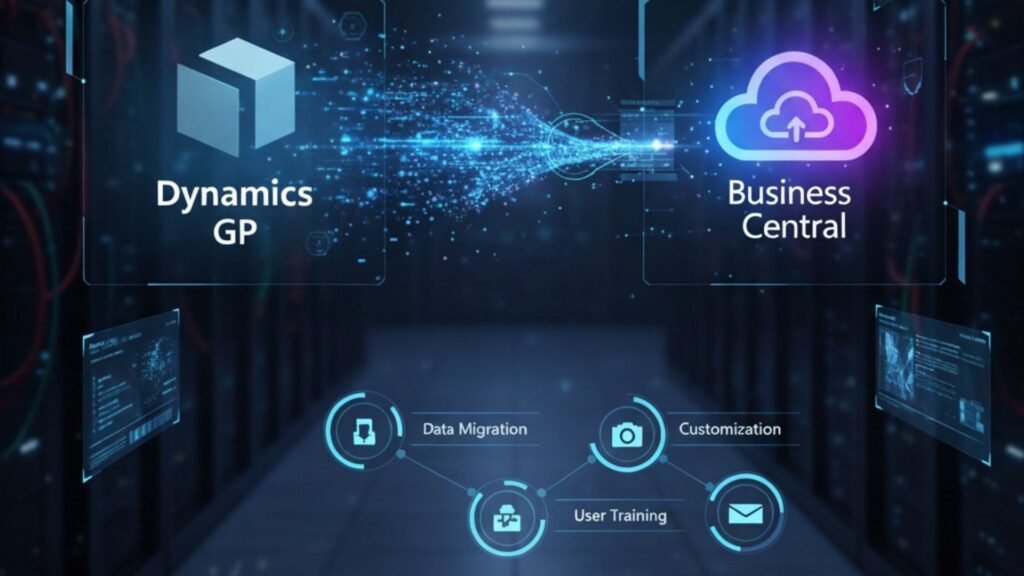
In today’s fast-changing business environment, organizations are rapidly moving toward cloud-based ERP solutions that offer flexibility, automation, scalability, and real-time insights. One of the most common transitions happening across industries is the migration from Microsoft Dynamics GP to Microsoft Dynamics 365 Business Central. Businesses that have relied on Dynamics GP for years are now realizing the benefits of a modern cloud ERP platform that supports digital transformation and long-term growth. For companies planning to modernize their ERP infrastructure, understanding the migration process is critical. Whether you are a manufacturing company, retailer, distributor, or service provider, moving from GP to Business Central requires proper planning, technical expertise, and the right implementation partner. Organizations searching for a reliable Microsoft Dynamics 365 partner in Texas, USA, are increasingly investing in cloud ERP migration to improve operational efficiency, reduce maintenance costs, and gain access to advanced AI-driven capabilities. Why Businesses Are Moving from Dynamics GP to Business Central Microsoft Dynamics GP has served businesses well for decades. However, modern businesses now require cloud accessibility, remote collaboration, automation, and seamless integration with Microsoft tools like Microsoft 365, Teams, Power BI, and Copilot AI. This is where Microsoft Dynamics 365 Business Central in Texas, USA, becomes a game-changing solution. Business Central is Microsoft’s all-in-one cloud ERP designed for small and medium-sized businesses that want the following: Unlike legacy ERP systems, Business Central allows organizations to operate from anywhere while maintaining secure and centralized business operations. Understanding the Difference Between GP and Business Central Before starting the migration journey, businesses should understand how these two ERP systems differ. Dynamics GP Business Central Companies working with a trusted Microsoft Dynamics consulting services provider in Texas, USA, can evaluate the best migration approach based on their operational needs. Key Things Businesses Should Know Before Migrating Migrating from GP to Business Central is not simply a software upgrade. It is a complete business transformation process. Organizations must prepare strategically to ensure a smooth transition. 1. Evaluate Your Existing ERP Environment Before migration begins, businesses should conduct a full assessment of their current Dynamics GP system. This assessment should include: Many businesses discover outdated customizations or unused modules that can be eliminated during migration. A professional D365 migration services provider in Texas, USA, can help identify inefficiencies and recommend improvements. 2. Clean and Organize Your Data Data migration is one of the most important stages of the ERP transition process. Businesses often accumulate years of duplicate, outdated, or incomplete data inside Dynamics GP. Migrating poor-quality data into Business Central can create long-term operational issues. Before migration: A clean database ensures better reporting accuracy and smoother implementation. 3. Understand Customization Requirements Many GP users rely heavily on customized workflows and third-party add-ons. During migration, businesses should determine: One major advantage of Business Central is that many processes previously requiring custom development are now built into the platform. Experienced providers offering MS Dynamics 365 implementation services in Texas, USA, can redesign workflows to reduce complexity and improve efficiency. 4. Plan for Employee Training ERP migration impacts multiple departments, including finance, operations, sales, purchasing, inventory, and customer service. Even though Business Central has a modern and user-friendly interface, employees still need proper training. Training should cover the following: Businesses that invest in training typically experience faster adoption and improved productivity. 5. Choose the Right Migration Strategy There is no one-size-fits-all approach when migrating from GP to Business Central. The right strategy depends on: Common migration approaches include: Full Migration: Transfers all historical data and processes into Business Central. Phased Migration: Moves departments or modules gradually over time. Hybrid Migration: Combines cloud and on-premise environments temporarily. A qualified Microsoft Dynamics 365 partner in Texas, USA, can help businesses determine the most effective migration strategy. 6. Understand Integration Capabilities Modern businesses rely on multiple software platforms. Business Central integrates seamlessly with: These integrations improve collaboration and automate manual tasks. Businesses using Microsoft Dynamics consulting services in Texas, USA, can build an ERP ecosystem that supports long-term growth. 7. Budget Beyond Software Costs ERP migration involves more than software licensing. Businesses should also budget for: Working with a reliable provider offering Microsoft Dynamics 365 support services in Texas, USA, helps organizations avoid unexpected costs and implementation delays. Benefits of Migrating to Business Central Once the migration is complete, businesses can experience significant operational improvements. Improved Financial Visibility Business Central provides real-time financial insights through dashboards and analytics. Businesses can: Executives gain better decision-making capabilities with live business intelligence. Enhanced Automation Manual processes consume time and increase the risk of human error. Business Central automates: Automation reduces administrative workload and improves efficiency. Better Inventory and Supply Chain Management Inventory management is one of the biggest reasons businesses move to Business Central. Features include: Companies can reduce stock shortages and improve customer satisfaction. Scalability for Growing Businesses As businesses grow, their ERP needs become more complex. Business Central offers scalability without requiring expensive infrastructure upgrades. Organizations can easily add the following: This flexibility makes Business Central ideal for growing organizations. Cloud Accessibility and Remote Work Support Modern work environments demand flexibility. Business Central enables employees to: This cloud capability is especially valuable for multi-location businesses. AI and Advanced Analytics Business Central integrates with Microsoft AI technologies and Power BI to deliver predictive insights. Businesses can: AI-driven ERP systems help organizations make smarter business decisions. Common Challenges During Migration While migration offers many benefits, businesses should also prepare for potential challenges. Data Migration Complexity Transferring years of historical data can be technically challenging. Common issues include: Professional D365 migration services providers in Texas, USA, help minimize these risks through structured migration planning. Resistance to Change Employees may hesitate to adopt new systems and workflows. Strong communication and proper training are essential for successful ERP adoption. Integration Issues Older third-party applications may require redevelopment or replacement. Businesses should review all software dependencies before migration begins. Project Timeline Delays ERP implementations often take longer than expected due to: Clear project management and experienced consultants can reduce implementation risks. Importance of Choosing
What Businesses Should Know Before Migrating from GP to Business Central Read More »