GP to Business Central

predictive-support-enhances-erp-performance

How Predictive Support Enhances ERP Performance and Stability

In today’s fast-paced digital economy, enterprise resource planning (ERP) systems are no longer just back-office tools—they are mission-critical platforms that drive decision-making, operational efficiency, and business growth. As organisations in the UK continue to modernise their ERP environments, particularly with Microsoft Dynamics 365 Business Central, the focus is shifting from reactive support to predictive ERP support. Predictive support is transforming how businesses maintain ERP performance and system stability. Instead of waiting for failures to occur, organisations can now anticipate issues, prevent downtime, and continuously optimise system performance. For companies working with a Microsoft Dynamics 365 partner in Manchester, UK, predictive support is becoming a key differentiator in achieving long-term ERP success. This article explores how predictive support enhances ERP performance and stability, why it matters for modern businesses, and how organisations leveraging Microsoft Dynamics 365 Business Central in Manchester, UK can gain a competitive edge. Understanding Predictive Support in ERP Predictive support refers to a proactive approach to ERP maintenance that uses data analytics, system monitoring, artificial intelligence (AI), and automation to identify potential issues before they disrupt business operations. Unlike traditional reactive support—where problems are addressed only after users raise tickets—predictive support continuously analyses system behaviour, performance trends, and usage patterns. Key Characteristics of Predictive ERP Support For businesses using MS Dynamics 365 implementation services in Manchester, UK, predictive support ensures that the ERP system evolves alongside business needs rather than becoming a bottleneck. Why ERP Performance and Stability Matter More Than Ever ERP systems connect finance, operations, supply chain, sales, and customer service into a single platform. Any disruption—whether slow performance, system crashes, or data inconsistencies—can impact the entire organisation. Common ERP Challenges Without Predictive Support Organisations undergoing D365 migration services in Manchester in the UK often face additional challenges during and after migration. Without predictive support, these issues may remain hidden until they affect end users. The Role of Predictive Support in Microsoft Dynamics 365 Microsoft Dynamics 365 is a modern, cloud-based ERP platform designed for agility and scalability. However, even advanced platforms require ongoing optimisation to perform at their best. Predictive support enhances Dynamics 365 by leveraging: A trusted Microsoft Dynamics consulting services provider in Manchester, UK can configure predictive support frameworks tailored to specific business requirements. How Predictive Support Improves ERP Performance 1. Proactive Performance Monitoring Predictive support continuously monitors system metrics such as: By identifying performance degradation early, businesses can address root causes before users experience slowdowns. This is particularly valuable for organisations running Microsoft Dynamics 365 Business Central in Manchester, UK, where real-time data access is critical. 2. Early Detection of System Anomalies ERP systems generate vast amounts of data. Predictive analytics can identify abnormal patterns that indicate potential failures, such as: Instead of reacting to incidents, ERP teams can resolve issues proactively, ensuring consistent system stability. 3. Reduced Downtime and Business Disruption Unplanned downtime is one of the most costly ERP issues. Predictive support significantly reduces downtime by: Businesses working with a Microsoft Dynamics 365 partner in Manchester, UK can benefit from service-level agreements (SLAs) that prioritise uptime and system resilience. 4. Optimised Resource Utilisation Predictive support helps organisations understand how system resources are used. This enables: For companies scaling operations after D365 migration services in Manchester in the UK, this ensures the ERP environment remains cost-effective and performant. Enhancing ERP Stability Through Predictive Support 1. Continuous System Health Checks Predictive support includes automated health checks that assess: These checks help maintain long-term ERP stability and reduce the risk of system failures caused by outdated configurations or unsupported customisations. 2. Preventing Integration Failures Modern ERP systems integrate with CRM platforms, e-commerce systems, payroll software, and third-party applications. Predictive support monitors these integrations to ensure seamless data flow. For organisations using Microsoft Dynamics consulting services in Manchester, UK, this is critical to maintaining end-to-end business continuity. 3. Safer Updates and Upgrades Microsoft regularly releases updates for Dynamics 365. Predictive support helps organisations: This is especially important for businesses relying on customised solutions built during MS Dynamics 365 implementation services in Manchester, UK. Predictive Support and Business Central: A Powerful Combination Why Business Central Benefits Most from Predictive Support Microsoft Dynamics 365 Business Central is designed for small and mid-sized businesses, offering flexibility and rapid scalability. Predictive support ensures that Business Central: For companies adopting Microsoft Dynamics 365 Business Central in Manchester, UK, predictive support is essential for maximising ROI. Real-Time Insights for Smarter Decisions Predictive support provides actionable insights such as: These insights empower business leaders to make data-driven decisions rather than relying on guesswork. The Strategic Role of a Microsoft Dynamics 365 Partner in Manchester, UK Choosing the right partner is crucial for implementing and managing predictive ERP support. A reliable Microsoft Dynamics 365 partner in Manchester, UK offers: Such partners align ERP strategy with business goals, ensuring long-term performance and stability. Predictive Support During and After D365 Migration Addressing Migration Risks Proactively ERP migrations can introduce risks such as data loss, performance issues, and user adoption challenges. Predictive support mitigates these risks by: Organisations leveraging D365 migration services in Manchester in the UK benefit significantly from predictive support during the critical post-go-live phase. Supporting Continuous Improvement Migration is not the end of the ERP journey. Predictive support enables continuous improvement by: Cost Benefits of Predictive ERP Support While predictive support may appear to be an additional investment, it delivers substantial cost savings over time. Key Financial Benefits For businesses investing in Microsoft Dynamics consulting services in Manchester, UK, predictive support ensures better financial predictability and control. Predictive Support vs Reactive Support Aspect Reactive Support Predictive Support Issue Resolution After failure Before failure Downtime High risk Minimal Cost Unpredictable Optimised System Stability Inconsistent Continuous Business Impact Disruptive Proactive The shift toward predictive support reflects the evolving expectations of modern ERP users. Future of ERP Support: Predictive and Intelligent As AI and machine learning continue to evolve, predictive ERP support will become even more intelligent. Future capabilities may include: Businesses already working with MS Dynamics 365 implementation services in Manchester, UK are

How Predictive Support Enhances ERP Performance and Stability Read More »

global-enterprises-navigate-regulatory-compliance-challenges

How Can Global Enterprises Navigate Regulatory Compliance Challenges with Modern ERP?

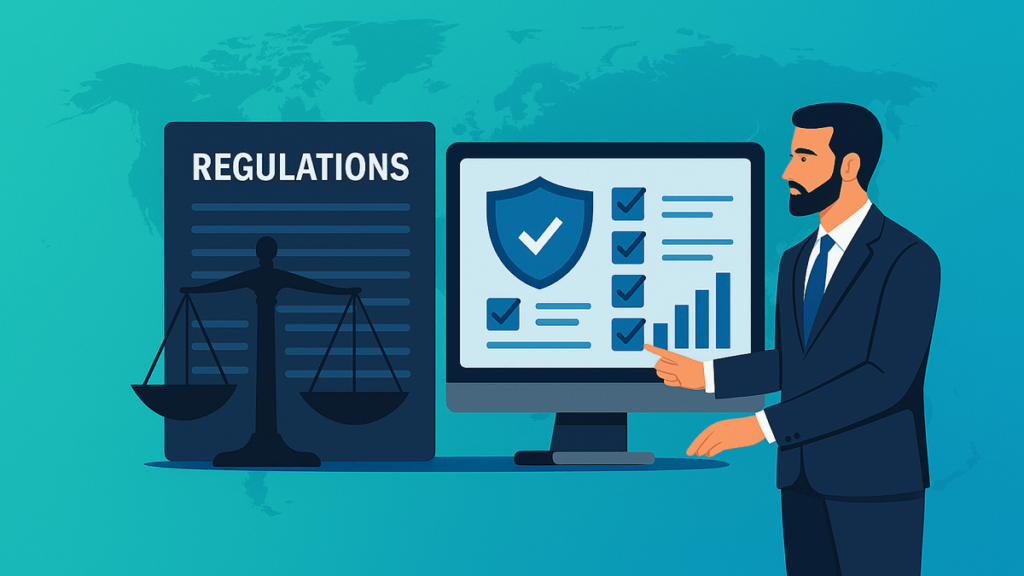
In today’s globalised business landscape, regulatory compliance has evolved into a dynamic and increasingly complex challenge for enterprises operating across multiple countries and jurisdictions. Whether it’s data privacy rules like GDPR, financial reporting standards such as IFRS, industry-specific regulations like FDA or SOC, or state-level tax policies in the United States—enterprises must stay ahead of compliance changes while ensuring operational efficiency. This is where modern ERP systems like Microsoft Dynamics 365 play a pivotal role. With built-in compliance frameworks, automated workflows, auditing capabilities, and advanced data visibility, Dynamics 365 empowers global enterprises to navigate regulatory risks with confidence. For organisations in the U.S.—especially those seeking a Microsoft Dynamics 365 partner in Texas, USA—leveraging a modern ERP is not just strategic but essential for sustainable growth. This article explores in depth how global organisations can use modern ERP solutions to stay compliant, minimise risk, and streamline global operations. We will also examine how localised Dynamics 365 partners can support enterprise-wide compliance initiatives. Understanding the Compliance Challenges Faced by Global Enterprises Global businesses operate across borders, manage vast data ecosystems, and deal with complex transaction flows. This exposes them to multiple layers of compliance expectations, including: Data Security & Privacy Regulations Managing secure data access, encryption, retention, and audit trails becomes difficult without robust systems. Taxation and Financial Reporting Compliance Every country—and often individual states—implements unique: Global entities must align accounting with regulations such as: Industry-Specific Compliance Regulated industries face even stricter rules: Cross-Border Logistics & Trade Compliance International import/export rules involve: Lack of Visibility Across Decentralised Systems Legacy systems behave like separate islands—making compliance reporting and audit readiness difficult. How Modern ERP Systems Solve Compliance Challenges Modern ERP platforms, especially Microsoft Dynamics 365, are purposely designed to simplify regulatory compliance through automation, standardisation, and real-time data intelligence. Here’s how: Built-In Compliance Frameworks Dynamics 365 includes pre-configured industry and region-specific compliance functionalities such as: These features reduce dependency on manual processes and improve accuracy. Unified Data Management for Transparency One of the strongest benefits of Dynamics 365 is centralised data management. This ensures: This helps organisations avoid fines, penalties, or discrepancies in reporting. Continuous Regulatory Updates Microsoft constantly updates Dynamics 365 to reflect: Companies leveraging Microsoft Dynamics 365 Support Services in Texas, USA can implement updates faster with minimal disruption. Automated Workflow & Document Controls Automation minimises human error while improving compliance consistency: These features help organisations monitor processes in real time. Role-Based Access & Advanced Security Modern ERPs offer: This prevents unauthorized access to financial or personal data. Why Dynamics 365 Is the Ideal ERP for Global Compliance As one of the most comprehensive cloud ERP solutions, Dynamics 365 offers both depth and flexibility. For enterprises navigating complex regulatory environments, it is unmatched. Localisation for Country-Specific Compliance Dynamics 365 Finance and Business Central include localisation packs covering: Whether you operate in Europe, Asia, or North America, compliance becomes seamless. Scalability for Global Expansion New international entities can be added quickly with templates.This reduces implementation time and accelerates compliance readiness. Real-Time Analytics for Compliance Reporting Power BI and AI-driven insights allow enterprises to: Seamless Integration with Microsoft Cloud (Azure) Azure provides: This provides a robust base for compliance-sensitive operations. The Role of Microsoft Dynamics Partners in Texas, USA Enterprises in the U.S. increasingly turn to local partners because regulations vary not only by industry but also by state. A Microsoft Dynamics 365 partner in Texas, USA supports organisations by: Local expertise helps businesses reduce compliance risks and accelerate deployment. Additionally, partners provide: Key Compliance Features in Dynamics 365 Below are core features that differentiate Dynamics 365 as a compliance-ready ERP system: Audit Trails & Traceability Track: This makes audits seamless. Regulatory Reporting Automation Dynamics 365 automates: Data Retention Policies You can configure: Compliance Dashboards Real-time dashboards help: Best Practices for Navigating Compliance with Modern ERP Centralise Compliance Data Avoid fragmented data; unify all processes within the ERP system. Standardise Workflows Globally Define standard templates for: Adopt Automated Governance Tools Let automation handle repetitive compliance tasks. Train Teams on Compliance Best Practices Knowledge gaps are a major source of compliance failures. Work with Certified Dynamics Partners Especially for U.S. organisations, a Microsoft Dynamics 365 partner in Texas, USA can guide regulatory alignment effectively. Future of Compliance with AI-Enabled ERPs AI and machine learning are redefining global compliance by: Dynamics 365 AI tools will soon automate entire compliance ecosystems for enterprises. FAQs Q 1. What compliance challenges do global enterprises face? Ans: They face data privacy laws, multi-country tax regulations, industry-specific standards, and cross-border trade laws. Q 2. How does a modern ERP help with compliance? Ans: It automates workflows, manages data centrally, provides audit trails, and ensures standardisation across global operations. Q 3. Why is Microsoft Dynamics 365 ideal for global compliance? Ans: Because it offers localisation, security, automation, AI tools, and continuous regulatory updates. Q 4. What role does a Microsoft Dynamics 365 partner in Texas, USA play? Ans: They help businesses implement, configure, and maintain Dynamics 365 based on Texas-specific and U.S. federal regulations. Q 5. How does Dynamics 365 support financial compliance? Ans: Through IFRS/GAAP reporting templates, automated reconciliations, tax management, and audit history tracking. Q 6. Can Dynamics 365 handle GDPR compliance? Ans: Yes, it includes data classification, retention policies, consent management, and encryption tools. Q 7. How does Dynamics 365 improve audit readiness? Ans: With complete traceability, automated logs, real-time dashboards, and compliance reporting. Q 8. Are cloud ERPs secure for compliance-sensitive industries? Ans: Yes. Azure (hosting platform for D365) is certified for multiple global security standards such as ISO, SOC, and FedRAMP. Q 9. What industries benefit most from compliance-ready ERPs? Ans: Healthcare, finance, retail, manufacturing, logistics, and government contractors. Q 10. Does Dynamics 365 Business Central support U.S. tax regulations? Ans: Yes, especially when implemented by a Microsoft Dynamics 365 Business Central partner in Texas, USA.

How Can Global Enterprises Navigate Regulatory Compliance Challenges with Modern ERP? Read More »


gp-to-business-central-migration

GP to Business Central Migration: What CFOs Need to Know

For many mid-sized and growing enterprises across the United States, Microsoft Dynamics GP has been a reliable financial and operational backbone for years. However, as business models shift, compliance demands grow stricter, and cloud transformation becomes essential for competitiveness, CFOs are increasingly reassessing their ERP landscape. The move from Microsoft Dynamics GP to Microsoft Dynamics 365 Business Central is one of the most strategic upgrades available today—especially for organizations seeking agility, automation, real-time insights, and cost-effective scalability. For companies operating in Texas and across the United States, the shift is being accelerated by Microsoft’s long-term roadmap, the need for remote-friendly systems, and increasing reliance on cloud-based security and analytics. This makes Dynamics GP to Dynamics 365 Business Central upgrade in Texas, USA not just an IT initiative, but a critical CFO-level transformation. This detailed guide explains what CFOs need to know—financially, operationally, and strategically—about the migration from GP to Business Central. It also explores how selecting the right Microsoft Dynamics 365 Partner in Texas, USA can dramatically improve implementation success and ROI. 1. Why CFOs Are Prioritizing Migration from GP to Business Central The decision to migrate from GP to Business Central is often driven by financial, compliance, and operational considerations. Here are the key reasons CFOs are championing this upgrade: 1.1 GP Is Approaching End of Mainstream Innovation While Microsoft will continue supporting GP, its investment is now largely limited to minimal security patches. GP is not receiving major functional upgrades or cloud-native enhancements. Business Central, on the other hand, receives monthly updates, AI-driven enhancements, automation features, and continuous improvements. A modern CFO cannot rely on outdated or limited software to support future growth, M&A activity, reporting needs, or compliance requirements. 1.2 Cloud Transformation Has Become Non-Negotiable Business Central is a fully cloud-based ERP that supports: GP’s on-premise architecture lacks agility, scalability, and modern security layers—making it increasingly expensive and complex to maintain. 1.3 CFOs Need Richer Reporting, Automation & AI Business Central offers: GP’s reporting tools are comparatively manual, siloed, and dependent on third-party add-ons. 2. Strategic Financial Benefits of Migrating to Business Central CFOs often evaluate ERP projects through the lens of costs, ROI, risk, and efficiency. Business Central delivers advantages in each of these areas. 2.1 Reduced Total Cost of Ownership (TCO) Migrating to Business Central eliminates: Companies switching from on-premise GP to cloud ERP save 30–40% in long-term IT costs, primarily by removing backend infrastructure. 2.2 Subscription-Based Cost Structure Business Central’s monthly subscription model provides predictable financial planning. There are no surprise maintenance fees, and scalability is effortless—pay only for the users you need. This aligns with modern CFO priorities: cost predictability, transparency, and budget control. 2.3 Increased Financial Accuracy & Faster Closing Business Central automates: Organizations report up to 50% faster month-end closing cycles after migrating. 2.4 Stronger Compliance & Audit Readiness With built-in regulatory frameworks and secure audit trails, Business Central supports: GP requires more manual processes and third-party tools for comparable compliance controls. 3. Key Differences CFOs Must Understand: GP vs Business Central Below is a comparison from a finance and strategic perspective: Feature Dynamics GP Dynamics 365 Business Central Deployment On-premise Cloud-native (SaaS) Updates Manual, scheduled Automatic, monthly Reporting Limited, third-party dependent Built-in Power BI Automation Minimal Extensive workflows & AI Accessibility Desktop-based Web, mobile, global Scalability Hardware limited Unlimited cloud scalability Integrations Requires custom dev Native integration with Microsoft 365, Power BI, Power Automate Cost Structure Upfront + maintenance Subscription model The takeaway is clear: Business Central is modern, scalable, and future-proof. 4. The Role of a Dynamics 365 Partner in a Successful Migration Selecting the right Microsoft Dynamics 365 Partner in Texas, USA is essential for a seamless migration because the process involves: Working with an experienced partner ensures minimal risk and maximum alignment with your financial strategy. A reliable partner also offers: This ensures end-to-end support—from assessment to go-live and beyond. 5. What CFOs Must Evaluate Before Migration Before approving migration, CFOs should consider: 5.1 Licensing Requirements Business Central offers different license types (Premium, Essentials, Team Members). Understanding your operational needs helps optimize costs. 5.2 Add-ons & Integrations Used in GP CFOs must assess: Some may be replaced by native Business Central features, reducing long-term licensing costs. 5.3 Data Migration Scope You may choose: The scope impacts cost and timeline. 5.4 Internal Readiness Your organization must: CFO leadership is critical for change management success. 6. The Migration Process: A CFO-Friendly Breakdown Below is a simplified overview of the migration roadmap: Phase 1: Assessment & Planning Phase 2: Data Migration Preparation Phase 3: System Setup Phase 4: Data Transfer & Validation Phase 5: Integrations & Extensions Phase 6: Testing & User Acceptance Phase 7: Go-Live & Hypercare A strong ERP Implementation & Migration Services in USA team ensures minimal business disruption. 7. Financial ROI: What CFOs Can Expect After Migration Most companies achieve ROI within 12–18 months due to: CFOs gain: 8. Post-Migration Benefits for Finance Teams After migrating to Business Central, finance departments experience: ✔ Faster financial closing ✔ Streamlined AP/AR automation ✔ Unified reporting across locations ✔ Easier budgeting & forecasting ✔ Real-time dashboards for cash flow, revenue, and costs ✔ Improved collaboration through Microsoft 365 This significantly enhances financial agility. 9. Why Choose a Texas-Based Dynamics 365 Partner Working with a local partner for: ensures: CFOs benefit from strategic alignment and better execution quality. 10. Final Thoughts for CFOs Migrating from GP to Business Central is not just a system upgrade—it is a financial transformation that improves agility, reporting, compliance, and long-term cost efficiency. For CFOs planning a future-ready, cloud-based financial ecosystem, Business Central is the most reliable and strategically sound choice. With the right Microsoft Dynamics 365 Partner in Texas, USA, organizations can significantly reduce risk and maximize ROI. The future of financial management is unified, intelligent, automated, and cloud-driven—and Business Central leads the way. FAQs 1. How long does a GP to Business Central migration take? Ans: A typical migration takes 8–16 weeks, depending on data volume, customizations, and integration complexity. 2. Can

GP to Business Central Migration: What CFOs Need to Know Read More »

migrate-from-microsoft-dynamics-NAV

How to Migrate from Microsoft Dynamics NAV or GP to Microsoft Dynamics 365 Business Central Successfully

Migrating from Microsoft Dynamics NAV or Microsoft Dynamics GP to Microsoft Dynamics 365 Business Central is one of the most impactful digital transformation steps a business can take. As organizations grow, their ERP needs expand—requiring better scalability, automation, cloud connectivity, and integration with modern tools like AI, analytics, and mobility solutions. Business Central is built to meet those needs. However, successful migration requires a structured approach, careful planning, and expert execution. This article outlines everything you need to know to ensure a smooth transition—from assessing your current system to going live on Business Central. 1. Understanding Why Companies Are Migrating to Business Central Before exploring the migration process, it’s important to understand why businesses are modernizing their ERP systems. Key Reasons for Migration Business Central offers a unified platform with strong financials, supply chain, CRM, inventory, manufacturing, service management, and project features. 2. Pre-Migration Assessment: The Foundation of Success A successful migration starts with a detailed evaluation of your current ERP environment. What to Assess Business Impact Assessment Ask key questions: This helps create a roadmap tailored to your business needs. 3. Choosing the Right Migration Approach There are three main migration approaches. Your choice depends on business complexity, timeline, and data requirements. A. Upgrade (Technical Migration) This approach upgrades NAV/GP to the latest version and moves data into Business Central. Best for: Pros: Cons: B. Re-implementation A clean installation of Business Central, followed by importing essential data. Best for: Pros: Cons: C. Hybrid Approach Combination of upgrade + selective reimplementation. Best for: Pros: 4. Preparing Your Data for Migration Data is the backbone of your ERP system. Preparing high-quality data ensures accuracy and enhances system performance. Key Data Preparation Steps Decide What Data to Migrate You can migrate: Migrating fewer unnecessary records results in faster system performance. 5. Mapping Your Processes to Business Central Even though NAV, GP, and Business Central share similar foundations, Business Central offers more modern workflows. Process Mapping Includes Leverage Business Central’s New Capabilities A trained Business Central consultant can help redesign workflows to maximize system efficiency. 6. Handling Customizations and Extensions NAV and GP customizations often rely on C/AL or Dexterity code. Business Central uses modern AL extensions, which are cloud-friendly and upgrade-safe. Steps for Migration of Custom Features Tip: Business Central’s AppSource marketplace offers plug-and-play apps reducing the need for heavy customization. 7. Migrating Integrations to Business Central Modern businesses use tools like: Business Central supports integrations through: Your migration partner must ensure all integrations are updated and tested. 8. Setting Up Security, Roles, and Permissions Role-based security is essential for compliance and productivity. Key Role-Level Setup Migrating roles correctly ensures smooth user onboarding and prevents operational issues. 9. User Training & Change Management Successful migration depends heavily on user adoption. Training Approach Change Management Well-trained users reduce support tickets and increase productivity. 10. Testing the New Business Central System Testing is one of the most important steps. Types of Testing Required Testing ensures your Business Central environment is ready for real operations. 11. Go-Live Preparation and Strategy Going live requires careful coordination with all stakeholders. Go-Live Checklist Many companies prefer going live at: This simplifies financial reconciliation. 12. Post-Go-Live Support and Optimization The journey doesn’t end after going live. Continuous support strengthens system performance. Post-Go-Live Activities A structured support plan ensures long-term success. 13. Why Working with the Right Partner Matters Migrating from NAV or GP to Business Central is a strategic move—and choosing an experienced Microsoft Dynamics partner ensures success. The right partner helps with: Trident Information System, for example, specializes in NAV/GP to Business Central migration, offering a proven methodology and certified consultants to ensure a smooth transition. Conclusion Migrating from Microsoft Dynamics NAV or GP to Business Central is not just a technical upgrade—it’s an opportunity to modernize your business, automate workflows, improve reporting, and integrate seamlessly with the Microsoft cloud ecosystem. By following a structured approach—assessment, planning, data preparation, customization migration, integration setup, testing, and training—you can ensure a successful migration that empowers your business for the future.

How to Migrate from Microsoft Dynamics NAV or GP to Microsoft Dynamics 365 Business Central Successfully Read More »

ls-central-enables-unified-commerce-for-modern-retailers

How LS Central Enables Unified Commerce for Modern Retailers

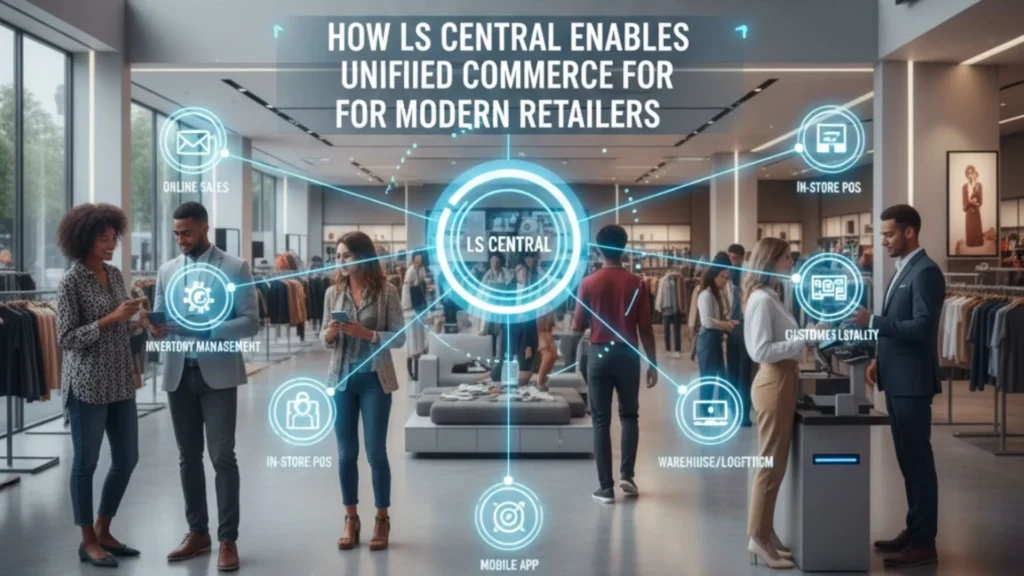
Retail is undergoing a massive transformation. The days when customers relied only on physical stores are long gone. Today’s shoppers browse online, compare prices on mobile, check stock availability on websites, visit stores to try products, and expect fast, flexible fulfillment options. They want a unified, seamless experience across every touchpoint. To meet these elevated expectations, retailers need unified commerce—a modern approach that connects all channels, systems, and data into one centralized platform. LS Central, built on Microsoft Dynamics 365 Business Central, has emerged as one of the most powerful unified commerce solutions for retailers of all sizes. For businesses working with a Microsoft Dynamics 365 Partner in Texas, USA, LS Central provides end-to-end retail management, real-time inventory visibility, integrated POS, and complete operational control. Paired with Microsoft Dynamics 365 Business Central in Texas, USA, it offers financials, supply chain, sales, procurement, warehousing, and retail operations inside a single ecosystem. This comprehensive article explains how LS Central enables unified commerce, why it’s essential for modern retail, and how businesses can leverage D365 services such as Microsoft Dynamics 365 Support Services in Texas, USA, MS Dynamics 365 Implementation Services in Texas, USA, and D365 Migration Services in Texas, USA to deploy LS Central successfully 1. The Shift From Omnichannel to Unified Commerce Omnichannel retail was once the gold standard because it allowed customers to shop across multiple channels. But retailers soon realized that omnichannel still created fragmented systems and data silos. Unified commerce goes a step further by consolidating every piece of data — inventory, orders, payments, promotions, and customer profiles — into one platform. This shift is driven by growing customer demands such as: Unified commerce eliminates channel-based barriers so customers enjoy a fluid, uninterrupted shopping journey. 2. What Is LS Central? LS Central is an all-in-one retail ERP solution built on Microsoft Dynamics 365 Business Central. It connects every part of a retail business, including: Instead of juggling multiple systems, retailers manage their entire operation from one unified platform. This results in improved accuracy, faster decision-making, lower costs, and a superior customer experience. 3. Why LS Central Is Critical for Modern Retailers Today’s retail operations face multiple challenges: LS Central solves all these issues by giving retailers a single version of the truth. Whether a shopper is browsing online or scanning a product in-store, they receive consistent and accurate information. Retailers working with a Microsoft Dynamics 365 Partner in Texas, USA gain access to tailored LS Central implementations that meet their business processes, workflows, and industry requirements. 4. How LS Central Enables Unified Commerce Below are the core capabilities that empower LS Central to unify retail operations end-to-end. 1. Unified POS That Works Everywhere LS Central offers a powerful POS system that supports: Every POS terminal is connected to the central database. This ensures: Retailers especially benefit from cloud-enabled POS systems that continue running even when offline. 2. Complete Inventory Visibility Across All Channels Inventory mistakes are costly. Customers expect accurate availability before they drive to a store or make an online purchase. LS Central provides: With Microsoft Dynamics 365 Business Central in Texas, USA, retailers also gain access to powerful warehouse and supply chain capabilities. Together, this ensures: 3. Seamless Omnichannel Order Fulfillment Retailers can offer modern fulfillment experiences such as: Order routing is automated based on: This leads to faster delivery, higher customer satisfaction, and optimized inventory usage. 4. Intelligent Customer Insights & Personalization LS Central includes built-in CRM features that store rich customer profiles, including: This unified profile enables: Whether a customer buys online or in-store, their benefits and history travel with them. 5. Powerful E-Commerce Integration Modern retailers operate across physical and digital channels, and LS Central seamlessly integrates with major e-commerce platforms like: Benefits include: As online sales continue to grow, this integration ensures flawless channel synchronization. 6. Centralized Financials and Reporting Because LS Central is built on Business Central, it provides: Retailers gain a complete understanding of performance across stores, channels, and product categories. 7. Scalable Architecture for Retail Growth Whether a retailer has 5 locations or 500, LS Central scales effortlessly. Cloud deployment ensures: With the support of Microsoft Dynamics 365 Support Services in Texas, USA, retailers ensure smooth daily operations and system optimization. 5. Benefits of LS Central for Retailers 1. True Unified Commerce A single platform for POS, ERP, inventory, CRM, e-commerce, supply chain, and financials. 2. Greater Customer Satisfaction Real-time information, personalized promotions, and flexible fulfillment. 3. Higher Sales & Conversions Better product availability + targeted offers = more purchases. 4. Lower Operational Costs No need for multiple systems or costly integrations. 5. Faster Decision-Making Access to real-time insights across the entire retail ecosystem. 6. Future-Ready Retail Cloud systems, AI insights, mobile POS, and smart forecasting ensure longevity. 6. LS Central Implementation Strategy Working with a qualified Microsoft Dynamics 365 Partner in Texas, USA ensures a structured and smooth deployment journey. Step 1: Discovery & Process Assessment Partners analyze: Step 2: Solution Blueprint LS Central is mapped to business needs, including store setup, pricing, promotions, fulfillment rules, and merchandising. Step 3: Customization Custom modules, dashboards, or POS workflows are developed if required. Step 4: Data Migration Handled via D365 Migration Services in Texas, USA, ensuring accurate transfer of: Step 5: User Training Staff receive hands-on training for: Step 6: Go-Live Stores begin operations on LS Central with support from MS Dynamics 365 Implementation Services in Texas, USA. Step 7: Post-Go-Live Support Ongoing assistance is provided through Microsoft Dynamics 365 Support Services in Texas, USA. 7. Why Retailers in Texas Prefer LS Central + Dynamics 365 Retail in Texas is growing rapidly, and businesses require scalable, modern systems. LS Central is preferred because it provides: With the help of a trusted Microsoft partner, Texas retailers build strong, future-ready operations that support growth. FAQs Q 1. What is LS Central used for in retail? Ans: LS Central is used to manage POS, inventory, merchandising, loyalty, e-commerce, financials, and store operations on a single platform. Q 2. How does LS Central

How LS Central Enables Unified Commerce for Modern Retailers Read More »

food-company

Food and Beverage Companies Transform Traceability and Recalls with Microsoft Dynamics 365

In the food and beverage (F&B) industry, precision, quality control, and compliance aren’t just operational goals — they’re survival factors. When a recall or contamination occurs, companies must act swiftly to identify the source, track affected batches, and ensure consumer safety. Modern technology plays a central role in this process, and Microsoft Dynamics 365 has become a trusted ally for many F&B manufacturers seeking total supply chain visibility and compliance management. From ingredient sourcing to distribution, Dynamics 365 delivers powerful capabilities for traceability, recall management, and quality assurance. Let’s explore how the platform empowers food and beverage companies to enhance their operations — and why working with an experienced Microsoft Dynamics 365 partner in Texas, USA, can make all the difference. 1. The Importance of Traceability and Recall Management in Food & Beverage Food and beverage businesses operate in one of the most highly regulated industries in the world. Agencies like the FDA (Food and Drug Administration) and USDA (United States Department of Agriculture) enforce stringent regulations for labeling, traceability, and product safety. A single labeling error, contamination event, or supplier issue can result in: To mitigate these risks, companies need real-time visibility across their entire supply chain. This includes knowing where raw materials come from, where they go, and how they’re processed at every stage. Manual systems and spreadsheets simply cannot manage this complexity anymore. That’s where Microsoft Dynamics 365 provides a complete, unified ERP platform designed for end-to-end transparency. 2. How Dynamics 365 Strengthens Traceability a. End-to-End Ingredient Tracking With Dynamics 365 Supply Chain Management, every ingredient can be traced from the supplier to the shelf. Each item receives a unique batch or lot number, enabling companies to track: This level of visibility ensures that if contamination or quality issues arise, affected batches can be quickly identified and isolated without halting entire operations. b. Real-Time Data Synchronization Unlike legacy ERP systems that work in silos, Dynamics 365 integrates financials, supply chain, production, and quality management into one unified platform. Real-time data flows allow manufacturers to: Companies leveraging Microsoft Dynamics 365 consulting services in Texas, USA can also customize these workflows to fit their specific traceability requirements — ensuring compliance with both local and international standards. c. Integration with IoT and AI Microsoft’s cloud-first approach means Dynamics 365 integrates seamlessly with IoT sensors and AI analytics. For example: This predictive approach transforms traditional quality assurance into proactive management — a key advantage in minimizing recall risks. 3. Efficient Recall Management with Dynamics 365 Even with the best preventive measures, recalls can still occur. Dynamics 365 provides robust features to execute recalls efficiently while minimizing disruption. a. Rapid Identification of Affected Batches When a potential issue is detected, the system allows for instant identification of all affected products — including where they were shipped and which customers received them. This is crucial for reducing the impact of recalls and maintaining compliance with FDA reporting requirements. b. Automated Notifications and Documentation Dynamics 365 automates critical recall steps such as: These workflows ensure that recalls are executed faster, with full audit trails, reducing administrative burden. c. Post-Recall Analysis After a recall, Dynamics 365 enables companies to perform root-cause analysis by reviewing the data trail. They can analyze supplier performance, production logs, and inspection results to prevent similar issues in the future. Engaging a Microsoft Dynamics 365 partner in Texas, USA, helps businesses set up these analytical dashboards and automate preventive actions based on recall data. 4. Quality and Compliance Made Easy a. Built-in Quality Control Quality checkpoints can be embedded throughout the production lifecycle — from receiving raw materials to final packaging. Dynamics 365 Business Central or Dynamics 365 Supply Chain Management enables automatic holds on items that fail inspection, preventing defective products from reaching consumers. b. Regulatory Compliance Dynamics 365 supports compliance with multiple global food safety standards, including: By maintaining complete digital records and audit trails, the system helps ensure smooth compliance audits and reporting. c. Allergen and Label Management For food producers, managing allergen information and accurate labeling is non-negotiable. Dynamics 365 streamlines this by linking ingredient data directly with packaging and labeling workflows — ensuring correct labeling, fewer errors, and full transparency. 5. Benefits of Using Microsoft Dynamics 365 for the F&B Industry a. Unified Data and Visibility With Dynamics 365, food manufacturers can unify operations — from production to finance — into a single, cloud-based solution. This eliminates data silos and provides real-time visibility into every process. b. Improved Operational Efficiency Automating manual processes like tracking, inspections, and reporting reduces human error and accelerates production cycles. c. Enhanced Consumer Trust Consumers today demand transparency. Having a digital trail of every ingredient and production step fosters trust and strengthens brand reputation. d. Better Collaboration Across Departments Because Dynamics 365 integrates with tools like Microsoft Teams and Power BI, teams can collaborate seamlessly, share dashboards, and make quick, informed decisions. e. Scalable and Flexible Platform As your business grows, Dynamics 365 scales effortlessly — supporting multiple locations, warehouses, and international operations without compromising performance. 6. How ERP Migration Services in Texas, USA, Help You Transition to Dynamics 365 For many F&B companies still using outdated systems like NAV, GP, or AX, migrating to Dynamics 365 is not just a technology upgrade — it’s a strategic move toward modernization. Expert ERP Migration Services in Texas, USA, ensure a smooth transition by: Working with a trusted Microsoft Dynamics 365 partner in Texas, USA, ensures your migration project is executed efficiently, meeting both operational and compliance goals. 7. The Role of ERP Consulting Services in Texas, USA ERP consulting is vital for ensuring your system supports your business model. ERP Consulting Services in Texas, USA, can help you: Consultants with food industry expertise can also guide you on best practices for FDA compliance and sustainability initiatives. 8. Continuous Optimization with Microsoft Dynamics 365 Support Services in Texas, USA Once your Dynamics 365 system is live, ongoing support becomes essential to keep operations running smoothly. Reliable Microsoft Dynamics 365 Support Services in

Food and Beverage Companies Transform Traceability and Recalls with Microsoft Dynamics 365 Read More »

microsoft-dynamics-support-partner

5 Questions to Ask Before Hiring a Microsoft Dynamics Support Partner

Microsoft Dynamics 365 has become a cornerstone solution for organizations across industries looking to streamline processes, improve productivity, and enhance customer engagement. However, implementing, maintaining, and optimizing Dynamics 365 is not always straightforward. Businesses require the expertise of a reliable Microsoft Dynamics Support Partner to ensure seamless operations and ongoing success. If your business is based in the U.S., particularly in Texas, finding the right Microsoft Dynamics 365 partners in Texas, USA is crucial. With so many providers offering MS Dynamics Implementation Services in Texas, USA, the decision can feel overwhelming. The key is to ask the right questions before committing to a partnership. This article outlines five critical questions you should ask when hiring a Microsoft Dynamics Support Partner in Texas, USA. 1. What Experience Do You Have in My Industry? Every industry—from manufacturing and retail to professional services—has unique needs. While most support partners claim they can manage Dynamics 365, the level of expertise varies greatly. By asking about industry-specific experience, you’ll uncover whether a potential partner has successfully handled businesses similar to yours. For example, manufacturers often require complex inventory and production tracking capabilities, while service providers need strong project management and customer engagement modules. A skilled Dynamics 365 Business Central Partner in Texas, USA with proven experience in your sector can configure, customize, and optimize the platform to align with your business objectives. What to look for: 2. What Support Models Do You Offer? Support needs vary from company to company. Some businesses require 24/7 support, while others might only need standard business-hour coverage. Understanding the partner’s support model is essential to ensure it aligns with your operational needs. A dependable Microsoft Dynamics Support Partner in Texas, USA should provide flexible options such as: Additionally, confirm whether support is offered remotely, on-site, or through a hybrid model. This ensures you can count on them in both routine and urgent scenarios. 3. Are You Certified Microsoft Dynamics 365 Partners? Microsoft certifications are a strong indicator of credibility and expertise. Certified partners undergo rigorous training and testing to prove their proficiency with Microsoft Dynamics 365 solutions. When evaluating Microsoft Dynamics 365 partners in Texas, USA, ask if they are officially recognized as a Microsoft Gold or Solutions Partner. This certification guarantees that the partner is up to date with the latest Dynamics 365 updates, tools, and best practices. Why it matters: Working with a certified partner provides peace of mind and ensures you’re getting the most value from your MS Dynamics Implementation Services in Texas, USA. 4. How Do You Approach Customization and Integration? Every business is unique, and “one-size-fits-all” solutions rarely deliver maximum value. The ability to customize Dynamics 365 and integrate it with other business applications is a must-have. A trusted Dynamics 365 Business Central Partner in Texas, USA will carefully analyze your processes and design solutions tailored to your needs. Whether it’s integrating Dynamics 365 with your ERP, CRM, e-commerce platform, or third-party apps, customization ensures that the system works seamlessly for you. Questions to ask here: Partners who can confidently answer these questions are more likely to help you unlock the full potential of your Dynamics investment. 5. What Is Your Long-Term Partnership Approach? Dynamics 365 is not a one-time implementation—it’s a long-term business enabler. You’ll need continuous support, upgrades, and guidance to adapt to evolving business challenges. The best Microsoft Dynamics Support Partner in Texas, USA won’t just provide technical assistance; they will become a trusted advisor. Look for a partner who: Their ability to align with your strategic vision ensures that Dynamics 365 continues to deliver value year after year. Benefits of Hiring the Right Microsoft Dynamics Support Partner Partnering with the right provider offers significant advantages: Why Texas Businesses Need a Reliable Dynamics Partner Texas is home to diverse industries—oil & gas, healthcare, manufacturing, technology, and retail—all of which require agile, data-driven solutions. Choosing the right MS Dynamics Implementation Services in Texas, USA means gaining a partner who understands local business landscapes, compliance rules, and growth opportunities. A Texas-based Dynamics 365 Business Central Partner in Texas, USA can provide tailored solutions that fit your market demands while ensuring fast, reliable support. Whether you’re migrating from legacy systems or optimizing existing Dynamics deployments, local expertise is invaluable. FAQs Q 1: Why should I choose a Microsoft Dynamics Support Partner in Texas, USA instead of offshore providers?Ans: A local partner ensures faster response times, a better understanding of U.S. business regulations, and face-to-face collaboration opportunities that offshore providers may not always offer. Q 2: What’s the difference between Microsoft Dynamics Support and Implementation Services?Ans: Implementation services focus on setting up Dynamics 365 for your business, while support services ensure ongoing optimization, troubleshooting, and upgrades after deployment. Q 3: How do I know if a partner is the right fit for my company?Ans: Look for certifications, proven industry experience, client references, and flexible support models. A good partner should align with your business goals and growth plans. Q 4: Can Dynamics 365 Business Central be customized for small businesses in Texas?Ans: Yes, Business Central is highly scalable. A reliable Dynamics 365 Business Central Partner in Texas, USA can tailor the system to fit the needs of both small and large enterprises. Q 5: How often should my Dynamics 365 system be updated?Ans: Microsoft regularly rolls out updates. A strong support partner will ensure your system stays current, secure, and optimized for performance. Conclusion Hiring the right Microsoft Dynamics support partner can make or break your Dynamics 365 journey. By asking the five key questions—about industry experience, support models, certifications, customization, and long-term partnership—you’ll be able to identify the best provider for your business. For Texas-based businesses, partnering with Microsoft Dynamics 365 partners in Texas, USA offers not only technical expertise but also local insights and quicker support. Whether you’re seeking MS Dynamics Implementation Services in Texas, USA or ongoing optimization with a trusted Microsoft Dynamics Support Partner in Texas, USA, making the right choice ensures your Dynamics 365 system becomes a true driver

5 Questions to Ask Before Hiring a Microsoft Dynamics Support Partner Read More »

erp-support-outsourcing

ERP Support Outsourcing: A Case for Cost Reduction in the U.S.

In today’s fast-paced business environment, companies across North America are constantly seeking ways to reduce operational costs while maintaining efficiency and innovation. Enterprise Resource Planning (ERP) systems, particularly Microsoft Dynamics 365, have become central to this mission by streamlining operations, enhancing decision-making, and enabling scalability. However, with ERP systems come challenges—chief among them being support and maintenance costs. Many businesses in the U.S. and Canada are now turning to ERP support outsourcing as a strategic move to lower expenses while ensuring robust performance. Whether you’re working with a Dynamics 365 Business Central Partner in Canada, collaborating with a Microsoft Dynamics 365 Partner in Canada, or evaluating ERP consulting options, outsourcing ERP support offers clear financial and operational benefits. In this article, we’ll explore why outsourcing ERP support is becoming the preferred choice, how it reduces costs, and what role trusted partners play in ensuring ERP success. The Rising Cost of ERP Support Implementing ERP solutions like Microsoft Dynamics 365 is a significant investment. While the upfront implementation cost is substantial, ongoing support and maintenance often account for an even larger portion of the ERP lifecycle expenses. Some of the key cost drivers for ERP support include: Outsourcing ERP support addresses these challenges while enabling organizations to focus on their core business objectives. Why Outsource ERP Support? Outsourcing ERP support provides businesses with access to specialized skills, 24×7 availability, and cost-efficient solutions. Let’s break down the benefits: 1. Lower Labor Costs Hiring and retaining in-house ERP specialists is expensive. Outsourcing to a Microsoft Dynamics 365 Partner in Canada allows businesses in the U.S. to access top-tier expertise without the high salary burden. 2. Access to Certified Experts ERP outsourcing partners employ certified consultants with in-depth knowledge of Microsoft Dynamics ERP. This ensures quick troubleshooting, smooth upgrades, and efficient issue resolution. 3. Round-the-Clock Support Unlike in-house teams restricted by working hours, outsourced providers offer Microsoft Dynamics 365 Support Services in Canada with 24×7 coverage, ensuring business continuity. 4. Scalability & Flexibility Whether it’s a minor issue, a full ERP migration and implementation services in Canada project, or an upgrade to Business Central, outsourcing provides flexibility to scale services as needed. 5. Focus on Core Business By outsourcing ERP support, companies free up internal resources, allowing them to focus on strategy, growth, and customer engagement. The Role of Trusted Partners Outsourcing ERP support is only effective when businesses partner with the right experts. A reliable Dynamics 365 Business Central Partner in Canada or a Microsoft Dynamics 365 ERP implementation services in Canada provider ensures that businesses not only reduce costs but also improve efficiency and system performance. Trusted partners provide: Case Study: Consider a mid-sized manufacturing firm in the U.S. that was struggling with rising ERP maintenance costs. Their in-house IT team lacked the expertise to handle advanced Dynamics 365 upgrades and troubleshooting. By outsourcing support to a Microsoft Dynamics 365 Partner in Canada, the company: This example demonstrates the tangible ROI of outsourcing ERP support. ERP Migration and Implementation Services in Canada and the U.S. For many businesses, outsourcing doesn’t just stop at support—it also extends to ERP migration and implementation services in Canada and the U.S. Moving from legacy systems like Dynamics GP or NAV to Microsoft Dynamics 365 Business Central requires expertise, planning, and flawless execution. By partnering with an experienced ERP Consultant in Canada, companies ensure: This approach not only saves money but also accelerates digital transformation. Key Cost Reduction Strategies Through Outsourcing Outsourced ERP partners apply several strategies to optimize costs: Future of ERP Support Outsourcing in the U.S. With the growing adoption of cloud-based ERP solutions like Dynamics 365, outsourcing is no longer just an option—it’s becoming the norm. U.S. businesses recognize that outsourcing ERP support to trusted global partners offers cost-efficiency, scalability, and expertise that in-house teams often cannot match. By leveraging Microsoft Dynamics 365 Support Services in Canada, U.S. companies can focus on what matters most—innovation, growth, and customer satisfaction—while enjoying significant cost savings. FAQs on ERP Support Outsourcing Q1. Why should U.S. companies outsource ERP support to partners in Canada?Ans: Outsourcing to a Microsoft Dynamics 365 Partner in Canada provides cost-effective services, access to certified experts, and round-the-clock support compared to building an expensive in-house team. Q2. Can outsourcing partners handle ERP migrations as well as support?Ans: Yes. Many partners offer ERP migration and implementation services in Canada, ensuring seamless upgrades and transitions from legacy systems, such as GP or NAV, to Dynamics 365 Business Central. Q3. How does outsourcing improve ROI on ERP systems?Ans: Outsourcing reduces labor costs, ensures proactive maintenance, minimizes downtime, and improves system performance—directly enhancing ROI. Q4. Is ERP outsourcing secure?Trusted partners implement advanced security protocols, regular updates, and compliance standards to ensure data protection. Q5. What industries benefit most from outsourcing ERP support?Ans: Industries such as retail, manufacturing, logistics, finance, and healthcare benefit greatly due to their need for continuous system uptime and scalability. Conclusion ERP systems are critical to business success, but their support and maintenance costs can quickly spiral if not managed effectively. Outsourcing ERP support offers U.S. businesses a clear path to cost reduction, efficiency, and innovation. By partnering with a Dynamics 365 Business Central Partner in Canada, a Microsoft Dynamics 365 Partner in Canada, or an expert ERP Consultant in Canada, organizations can achieve significant savings while ensuring their ERP systems remain future-ready. Additionally, outsourcing opens doors to advanced Microsoft Dynamics 365 ERP implementation services in Canada, ensuring long-term digital transformation success.

ERP Support Outsourcing: A Case for Cost Reduction in the U.S. Read More »

5-Step Roadmap to Migrate Dynamics GP to Business Central

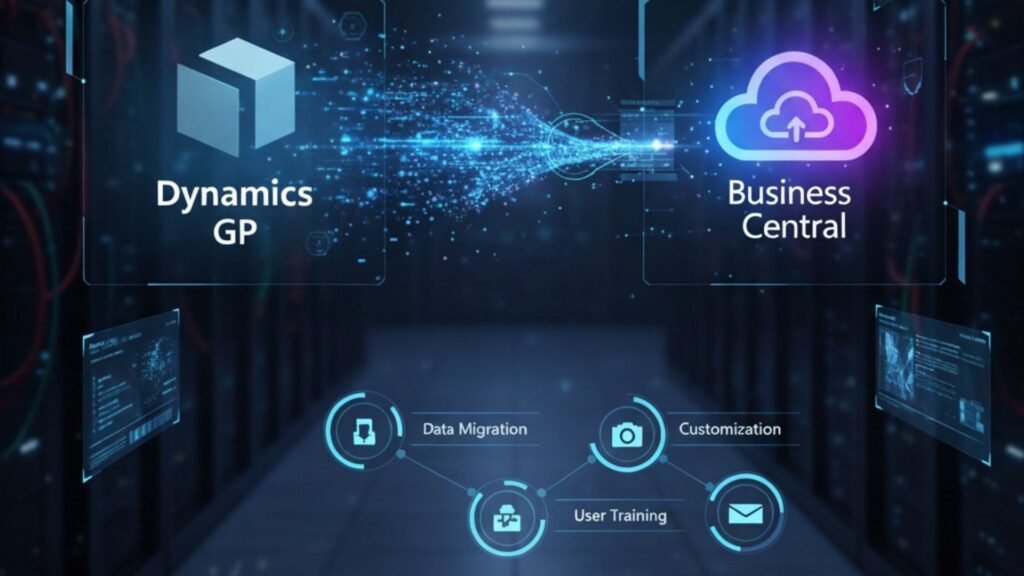
Migrating from Microsoft Dynamics GP to Business Central is more than a software upgrade—it’s a strategic move toward cloud-based efficiency, modern business processes, and future-ready operations. For companies in Canada and the USA, making this transition offers a chance to enhance flexibility, scalability, and integration with the full Microsoft ecosystem. Whether you’re planning to migrate Dynamics GP to Business Central in Canada and the USA or considering a broader transformation, working with experienced Microsoft D365 F&O implementation partners in Canada and the USA can help ensure your migration is smooth, cost-effective, and risk-free. In this article, we’ll explore a 5-step roadmap to upgrade Dynamics GP to Business Central in Canada and the USA, as well as provide important tips for businesses transitioning from NAV to the Microsoft Dynamics 365 Business Central upgrade in Canada and the USA. Why Businesses Are Moving from Dynamics GP to Business Central Microsoft Dynamics GP has served thousands of organizations for decades, but its architecture and deployment model no longer match today’s fast-paced, cloud-first business environment. Microsoft’s innovation focus is now on Dynamics 365 Business Central, which offers: This makes it a natural choice for organizations looking to upgrade Dynamics GP to Business Central in Canada and the USA. The 5-Step Roadmap to a Successful GP-to-BC Migration Step 1: Assess and Plan Every successful migration begins with a detailed assessment. This involves: For companies also considering a NAV to Microsoft Dynamics 365 Business Central upgrade in Canada and the USA, this step ensures a clear understanding of both technical requirements and business objectives. Pro Tip: Partner with experienced Microsoft D365 F&O implementation partners in Canada and the USA to perform a migration readiness check. Step 2: Clean and Prepare Your Data Migrating outdated or inaccurate data can cause problems in your new ERP environment. A thorough data cleanup ensures only relevant, accurate, and properly formatted data moves to Business Central. Key tasks include: If you plan to migrate Dynamics GP to Business Central in Canada and USA, this step is critical for ensuring a smooth and error-free transition. Step 3: Choose the Right Migration Tools and Method Microsoft provides specialized tools for GP-to-BC migrations, including: You’ll need to decide between: For NAV to Microsoft Dynamics 365 Business Central upgrades in Canada and the USA, similar tools and methods apply, but NAV migrations often require additional mapping for custom modules. Step 4: Configure and Test Business Central Once data migration is planned, your Business Central environment needs to be set up and tested. This includes: Before going live, conduct User Acceptance Testing (UAT) to ensure processes run as expected and reports deliver accurate results. Pro Tip: Your Microsoft D365 F&O implementation partners in Canada and the USA can create a sandbox environment for testing before full deployment. Step 5: Go Live and Optimize With testing complete and your team trained, it’s time to go live. However, migration doesn’t end at deployment—ongoing optimization is key. Post-migration steps include: If you’re making the jump from Dynamics GP to Business Central in Canada and the USA, continuous monitoring ensures your investment delivers long-term value. Additional Considerations for NAV to Business Central Upgrades For businesses still on Microsoft Dynamics NAV, the migration path is slightly different from GP: Engaging a partner skilled in NAV to Microsoft Dynamics 365 Business Central upgrades in Canada and the USA can help streamline the process. Benefits of Migrating to Business Central Why Work with a Microsoft D365 Partner The complexity of ERP migration demands specialized expertise. Experienced Microsoft D365 F&O implementation partners in Canada and the USA bring: Whether you’re planning to migrate Dynamics GP to Business Central in Canada and the USA or upgrade from NAV, the right partner ensures a seamless transition. Conclusion Migrating from Dynamics GP—or even NAV—to Business Central is a strategic move that positions your business for greater agility, efficiency, and innovation. By following this 5-step roadmap and working with skilled Microsoft D365 F&O implementation partners in Canada and the USA, you can reduce risks, avoid downtime, and unlock the full potential of Microsoft’s modern ERP platform. Whether your goal is to upgrade Dynamics GP to Business Central in Canada and the USA or embark on a NAV to Microsoft Dynamics 365 Business Central upgrade in Canada and the USA, careful planning, expert guidance, and a structured approach will set you up for long-term success. FAQs 1. How long does it take to migrate from Dynamics GP to Business Central?Ans: Migration timelines vary based on data volume, complexity, and business requirements. Small to medium businesses often complete the process in 2–4 months. 2. Can we keep historical data during migration?Ans: Yes. Businesses can choose to migrate all historical data or only the most recent records for efficiency. 3. What happens to my GP licenses after migration?Ans: Once you move to Business Central, your GP licenses will no longer be required, though you may maintain GP access for historical reference. 4. Is it possible to migrate from NAV directly to Business Central cloud?Ans: Yes. The process may require reworking customizations, but experienced Microsoft D365 F&O implementation partners in Canada and the USA can make it seamless. 5. Do I need to retrain my team for Business Central?Ans: Yes. While there are similarities, Business Central offers many new capabilities, and user training ensures faster adoption.

5-Step Roadmap to Migrate Dynamics GP to Business Central Read More »