microsoft dynamics crm partner

247 ERP Monitoring Why Your Business Can’t Afford Downtime

24/7 ERP Monitoring: Why Your Business Can’t Afford Downtime

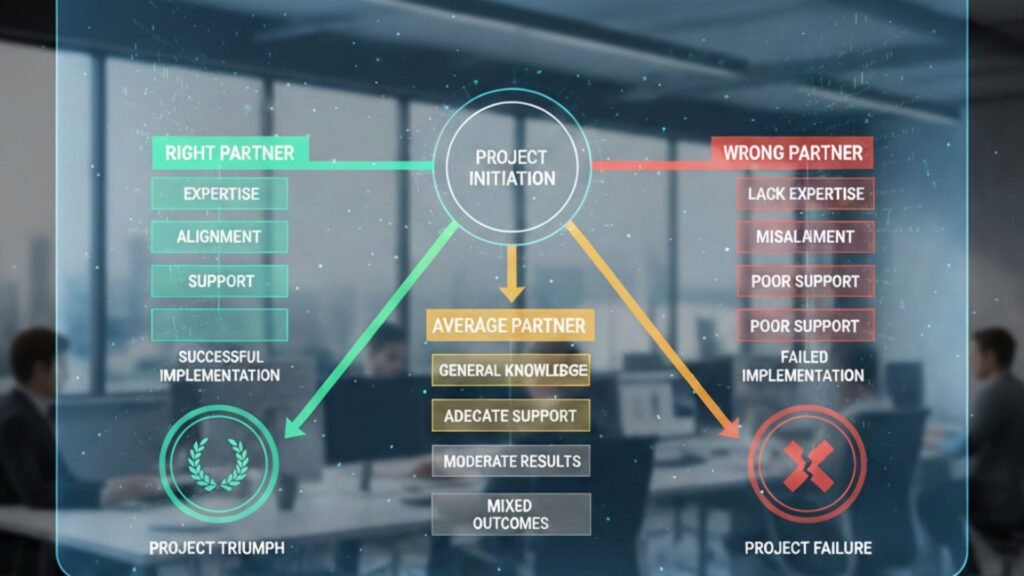
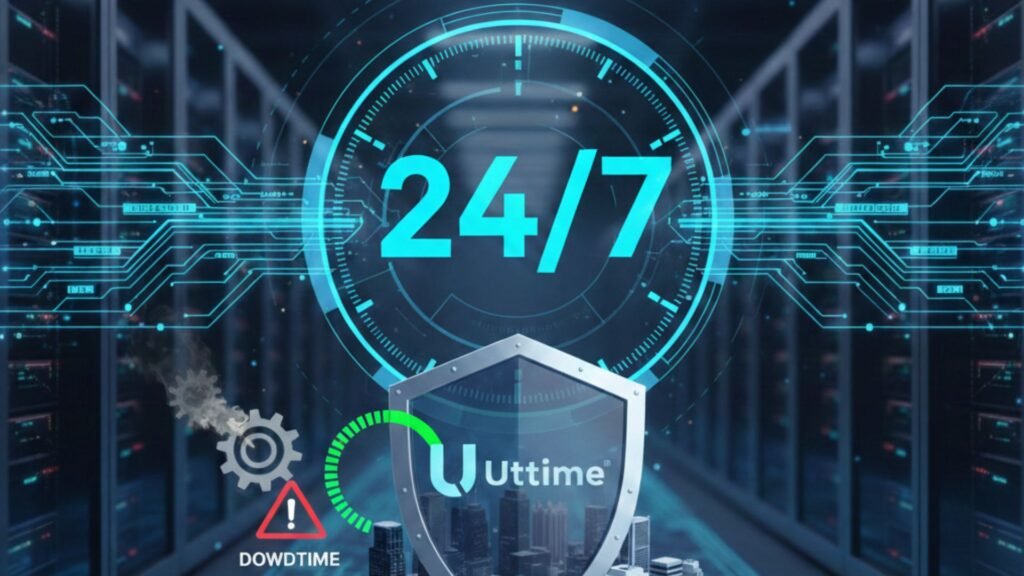
In today’s hyper-connected business environment, downtime is no longer a minor inconvenience—it’s a direct threat to revenue, productivity, customer trust, and long-term growth. Whether you operate in manufacturing, retail, distribution, healthcare, or professional services, your ERP system is the backbone of daily operations. From finance and inventory to supply chain and customer service, every process depends on seamless system performance. That’s why 24/7 ERP monitoring has become a business necessity rather than a luxury. For organizations leveraging Microsoft Dynamics solutions, especially those working with a trusted microsoft dynamics 365 partner in texas usa, proactive ERP monitoring ensures business continuity, security, and performance optimization around the clock. This article explores why downtime is so costly, how continuous monitoring protects your business, and why partnering with experts offering Microsoft Dynamics 365 Support Services in texas usa is critical for long-term success. The True Cost of ERP Downtime Many businesses underestimate the real impact of ERP downtime. The costs go far beyond IT inconvenience. 1. Revenue Loss If your ERP system goes down: For manufacturers and distributors using microsoft dynamics 365 business central in texas usa, even a few hours of downtime can delay shipments and impact customer satisfaction. 2. Productivity Decline When ERP systems fail: Teams spend more time fixing problems than focusing on strategic tasks. 3. Customer Experience Damage Customers expect: System outages damage credibility and may drive customers toward competitors. 4. Compliance & Data Risks ERP systems manage sensitive financial and operational data. Downtime or system instability can: This is where reliable Microsoft Dynamics 365 Support Services in texas usa become essential. Why 24/7 ERP Monitoring Matters Traditional IT support models are reactive—issues are addressed only after they occur. In contrast, 24/7 monitoring is proactive. Here’s how it transforms ERP management: 1. Real-Time System Monitoring Continuous monitoring tracks: Potential bottlenecks are detected before they escalate into system failures. 2. Early Issue Detection Proactive monitoring tools can identify: Working with a microsoft dynamics 365 partner in texas usa ensures that alerts are handled immediately by certified experts. 3. Reduced Downtime When issues are identified early: This is particularly important for companies that rely on MS Dynamics 365 Implementation services in texas usa to manage large-scale operations. 4. Enhanced Security ERP systems are prime targets for cyberattacks. Continuous monitoring enables: Security is not optional—it’s mandatory. The Role of Microsoft Dynamics 365 in Modern Businesses Microsoft Dynamics 365 has become one of the most powerful ERP platforms globally. Businesses in Texas and across the USA increasingly rely on: Organizations using microsoft dynamics 365 business central in texas usa benefit from cloud flexibility, scalability, and real-time insights. However, even cloud systems require ongoing monitoring and optimization. Cloud does not mean “self-managing.” A trusted provider offering microsoft dynamics consulting services in texas usa ensures your system performs at peak efficiency 24/7. Key Components of 24/7 ERP Monitoring 1. Infrastructure Monitoring 2. Application Performance Monitoring (APM) 3. Integration Monitoring Modern ERP systems integrate with: Monitoring ensures APIs and integrations function without interruption. 4. Database Monitoring ERP systems rely heavily on databases. Continuous checks prevent: 5. Security Monitoring Companies investing in D365 migration services in texas usa especially need enhanced monitoring during and after migration. Why Businesses in Texas Need Proactive ERP Support Texas is home to: High-volume operations mean ERP systems process thousands of transactions daily. Any downtime can result in significant operational disruption. A reliable microsoft dynamics 365 partner in texas usa understands regional business demands and provides localized support with global expertise. ERP Monitoring During Migration ERP migration is a high-risk phase. Organizations upgrading legacy systems must ensure continuous monitoring during transition. Companies utilizing D365 migration services in texas usa benefit from: Without proactive monitoring, post-migration performance issues can compromise user adoption. How 24/7 Monitoring Improves ROI ERP systems are major investments. Continuous monitoring helps maximize ROI by: Organizations working with MS Dynamics 365 Implementation services in texas usa gain long-term value through structured monitoring strategies. Reactive Support vs Proactive Monitoring Reactive Support 24/7 Monitoring Fix after failure Prevent before failure Longer downtime Minimal disruption Higher repair costs Predictable maintenance Frustrated users Confident workforce Modern businesses can no longer afford reactive-only IT models. Industries That Cannot Afford ERP Downtime Manufacturing: Production halts when ERP fails. Retail : POS and inventory systems rely on ERP data. Healthcare: Patient records and billing systems depend on uptime. Distribution: Logistics and warehouse operations require real-time visibility. Companies using microsoft dynamics 365 business central in texas usa in these industries require constant performance assurance. Key Benefits of Partnering with an Expert A certified microsoft dynamics 365 partner in texas usa provides: Additionally, microsoft dynamics consulting services in texas usa offer strategic improvements, not just technical fixes. Disaster Recovery & Business Continuity ERP downtime can result from: 24/7 monitoring integrates with disaster recovery strategies: Companies using Microsoft Dynamics 365 Support Services in texas usa benefit from structured business continuity frameworks. Signs Your Business Needs 24/7 ERP Monitoring If your organization recently adopted D365 migration services in texas usa, post-go-live monitoring is critical. Future of ERP Monitoring: AI & Predictive Analytics Advanced monitoring solutions now use AI to: Businesses leveraging microsoft dynamics consulting services in texas usa gain access to intelligent performance management tools. Building a Monitoring Strategy A strong ERP monitoring framework includes: Partnering with experts offering MS Dynamics 365 Implementation services in texas usa ensures your monitoring strategy aligns with business goals. Conclusion ERP downtime is not just an IT issue—it’s a business risk. In an always-on economy, customers expect uninterrupted service, real-time information, and operational reliability. Organizations using microsoft dynamics 365 business central in texa usa must prioritize 24/7 ERP monitoring to protect revenue, ensure compliance, and maintain competitive advantage. By partnering with a trusted microsoft dynamics 365 partner in texas usa that delivers comprehensive Microsoft Dynamics 365 Support Services in texas usa, businesses can move from reactive troubleshooting to proactive optimization. In a world where every minute counts, continuous monitoring is not optional—it’s essential. Frequently Asked Questions (FAQs) Q 1. What is 24/7 ERP monitoring? Ans:

24/7 ERP Monitoring: Why Your Business Can’t Afford Downtime Read More »

enhancing-customer-journeys-with-ai-driven-retail-erp-solutions

Enhancing Customer Journeys with AI-Driven Retail ERP Solutions

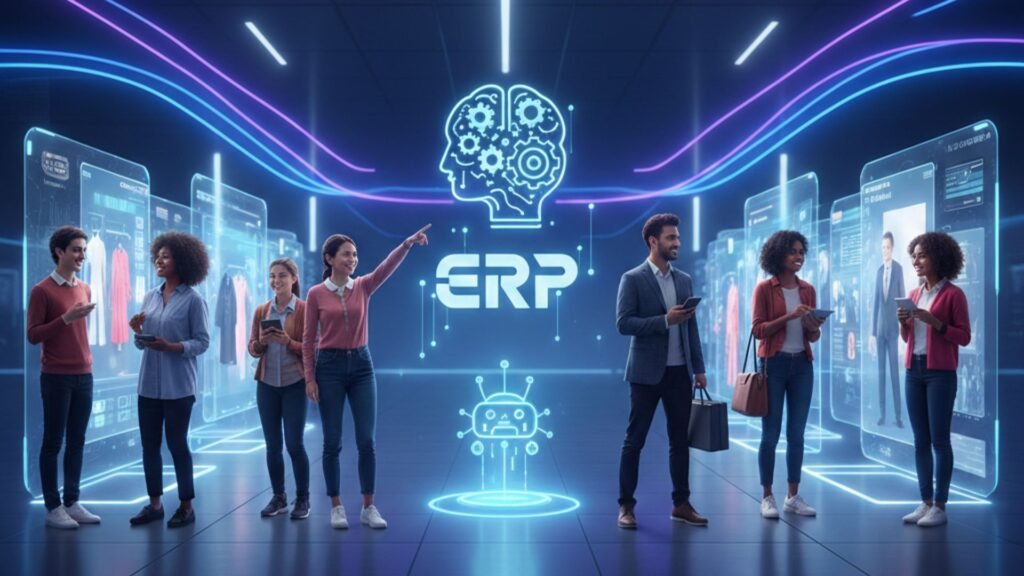
In today’s competitive retail landscape, creating exceptional customer experiences is no longer optional — it’s essential. Retailers must seamlessly connect online and in-store interactions, deliver personalized engagement, and adapt quickly to ever-changing consumer expectations. The rapid advancement of artificial intelligence (AI) and enterprise resource planning (ERP) technologies has opened the door to a new era of customer journey optimization. AI-driven Retail ERP solutions are helping businesses understand customers better, anticipate their needs, and deliver frictionless interactions at every touchpoint. In this article, we explore how AI-enhanced ERP systems are revolutionizing retail, driving intelligent operations, and elevating customer journeys from generic to truly personalized experiences. We’ll also look at how the right Microsoft Dynamics 365 partner and services in Texas can help businesses maximize the value of their ERP investments. The Retail Imperative: Personalization, Speed, and Consistency Today’s customers expect more than just good products at fair prices — they expect experiences. According to recent industry research: However, delivering on these expectations requires retailers to break down information silos, unify data sources, and gain real-time visibility into customer behavior, inventory, and operations. Traditional ERP systems can struggle to provide the real-time intelligence and adaptable workflows needed to support these demands. That’s where AI-driven Retail ERP solutions come in. What Is an AI-Driven Retail ERP Solution? An AI-driven Retail ERP solution integrates advanced artificial intelligence capabilities — such as machine learning, predictive analytics, natural language processing, and automation — into core retail business processes. Unlike conventional ERPs that focus primarily on transactional efficiency, AI-enabled ERPs empower retailers to: When these capabilities are fused into a modern ERP platform like Microsoft Dynamics 365 Business Central, retailers gain unprecedented insights and agility. Why AI Matters for the Retail Customer Journey The customer journey typically includes discovery, consideration, purchase, fulfillment, and post-purchase engagement. AI-driven Retail ERP solutions enhance each step: 1. Discovery – Intelligent Customer Insights AI analyzes data from online behavior, in-store interactions, purchase history, and social signals to build rich customer profiles. Retailers can segment customers more effectively and tailor marketing content based on interests and purchase likelihood. Example: A customer browsing winter jackets online might receive targeted product recommendations or personalized promotions via email or mobile notifications. 2. Consideration – Predictive Personalization AI uses predictive analytics to understand what products a customer is likely to consider next. Retailers can present AI-curated suggestions that increase basket size and conversion rates. For instance, if a customer adds a smartphone to their cart, the system might automatically promote compatible accessories with a limited-time discount. 3. Purchase – Seamless, Contextual Experiences Real-time inventory visibility powered by AI ensures that products are available where customers expect them. Retailers can offer flexible fulfillment choices — pickup, delivery, or ship-from-store — reducing abandoned carts. AI also enables chatbots and virtual assistants that help customers complete transactions and answer queries instantly. 4. Fulfillment – Optimized Operations Retail ERP systems with AI can streamline order processing by optimizing warehouse workflows, forecasting stock needs, and preventing stockouts. Efficient fulfillment leads to faster delivery times — a key driver of customer satisfaction. 5. Post-Purchase Engagement – Loyalty and Retention AI evaluates purchase patterns and customer feedback to tailor loyalty programs, suggest repeat purchases, and identify churn risks. Timely, relevant engagement post-purchase builds long-term relationships and repeat business. Microsoft Dynamics 365: A Foundation for AI-Driven Retail ERP Microsoft Dynamics 365 provides a suite of intelligent business applications designed to unify operations, customer data, and analytics on a single platform. When deployed with AI enhancements, Dynamics 365 becomes a powerful Retail ERP that enriches every phase of the customer journey. Key capabilities include: Dynamics 365’s flexibility makes it suitable for retailers of all sizes — from boutique stores to large omnichannel enterprises. Choosing the Right Microsoft Dynamics 365 Partner in Texas USA Selecting the right implementation partner is critical to unlocking the full potential of your AI-driven Retail ERP investment. A qualified Microsoft Dynamics 365 partner in Texas USA can provide: Working with a partner familiar with local business dynamics ensures faster deployment, fewer disruptions, and better adoption across your teams. Local expertise also means you can benefit from tailored compliance, support structures, and industry contacts within the Texas retail landscape. Planning and Deployment: MS Dynamics 365 Implementation Services in Texas USA A structured implementation strategy is key to a successful Retail ERP transformation. Experienced MS Dynamics 365 Implementation services in Texas USA guide organizations through: Assessment and Blueprinting Data Consolidation and Cleansing System Configuration Testing and Validation Training and Change Management An experienced implementation team ensures a smooth transition with minimal business disruption and maximum ROI. Migrating to a Smarter ERP: D365 Migration Services in Texas USA For businesses using legacy systems or outdated platforms, ERP migration can be complex. D365 migration services in Texas USA focus on: A proper migration plan ensures customers continue receiving consistent service throughout the transition and that rich historical data is preserved for analytics. Post-Go-Live: Microsoft Dynamics 365 Support Services in Texas USA A successful go-live is just the beginning. After deployment, ongoing support ensures continued system health and adaptation to evolving business needs. Microsoft Dynamics 365 Support Services in Texas USA typically include: With dedicated support services, retailers can quickly address issues, adapt to market changes, and continually improve customer engagement. The Role of Microsoft Dynamics Consulting Services in Texas USA Beyond implementation and support, comprehensive microsoft dynamics consulting services in texas usa help retailers strategize long-term value extraction. Consulting experts assist with: Strategic consulting ensures your AI-driven Retail ERP continues generating measurable business value over time. Real-World Benefits of AI-Driven Retail ERP Here are tangible outcomes retailers have experienced with AI-powered ERP solutions: 1. Improved Forecast Accuracy Predictive analytics reduces inventory stockouts and overstocking, saving costs and increasing customer satisfaction. 2. Better Customer Segmentation AI uncovers hidden patterns within customer data, enabling hyper-targeted campaigns and higher conversion rates. 3. Faster Fulfillment Automated workflows and real-time insights accelerate order processing. 4. Higher Revenue per Customer Personalized recommendations increase average order values. 5. Unified Omnichannel Experiences Consistent

Enhancing Customer Journeys with AI-Driven Retail ERP Solutions Read More »

why-manufacturers-trust-business-central-for-supply-chain-optimization

Why Manufacturers Trust Business Central for Supply Chain Optimization

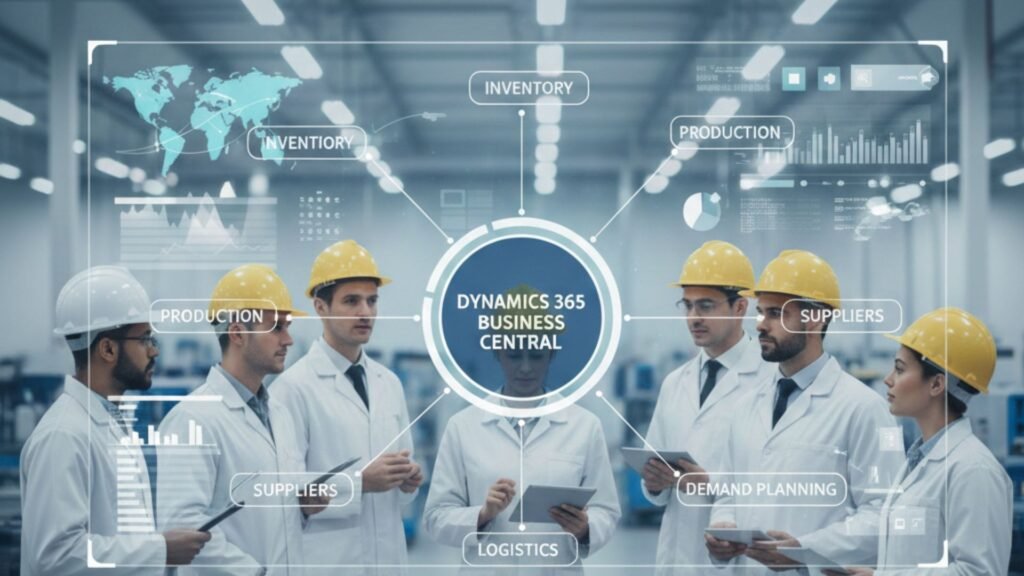
In today’s highly competitive manufacturing landscape, supply chain efficiency is no longer optional—it is a strategic necessity. Manufacturers must manage fluctuating demand, rising operational costs, supplier disruptions, and increasing customer expectations, all while maintaining profitability. This growing complexity explains why manufacturers trust Business Central for supply chain optimization, as many organizations are turning to Microsoft Dynamics 365 Business Central as a modern, scalable ERP solution that delivers end-to-end supply chain visibility and control. Across the United States—and particularly in Texas—manufacturers are partnering with a trusted Microsoft Dynamics 365 partner in Texas, USA to transform their operations, streamline processes, and optimize supply chains. This growing shift highlights why manufacturers trust Business Central for supply chain optimization, as Dynamics 365 Business Central has become the ERP of choice for manufacturers seeking greater visibility and control. This article explores how it enhances supply chain performance and why working with experienced Microsoft Dynamics consulting services in Texas, USA, is essential for long-term success. The Growing Supply Chain Challenges Faced by Manufacturers Manufacturers today operate in an environment shaped by global sourcing, volatile markets, and digital disruption. Traditional ERP systems often fail to provide the agility and real-time insights needed to respond quickly. Common supply chain challenges include: Legacy ERP systems struggle to adapt to these realities. As a result, manufacturers are increasingly migrating to cloud-based solutions like Dynamics 365 Business Central, supported by expert D365 migration services in Texas, USA. What Is Microsoft Dynamics 365 Business Central? Microsoft Dynamics 365 Business Central is a comprehensive, cloud-based ERP solution designed for small to mid-sized businesses and growing enterprises. It unifies finance, supply chain, manufacturing, sales, and customer relationship management (CRM) into a single platform. Often referred to as Dynamics 365 Business Central, Business Central, or Dynamics 365 BC, it is part of the broader Microsoft Dynamics 365 ecosystem, seamlessly integrating with tools like Microsoft Dynamics 365 CRM, Microsoft 365, Power BI, and Azure. For manufacturers, Business Central delivers: Why Manufacturers Trust Business Central for Supply Chain Optimization 1. End-to-End Supply Chain Visibility One of the biggest reasons manufacturers trust Dynamics 365 Business Central is its ability to provide complete visibility across the supply chain. From procurement and inventory to production and fulfillment, every process is connected. With real-time dashboards and analytics, manufacturers can: A trusted Microsoft Dynamics 365 Business Central partner in Texas, USA, ensures that dashboards and reports are customized to manufacturing KPIs. 2. Intelligent Inventory Management Inventory optimization is critical for manufacturers aiming to reduce carrying costs while avoiding stockouts. Business Central uses intelligent planning tools to help manufacturers maintain the right inventory levels. Key benefits include: By working with Microsoft Dynamics 365 Support Services in Texas, USA, manufacturers can continuously refine inventory strategies as business needs evolve. 3. Demand Forecasting and Production Planning Accurate demand forecasting is essential for efficient supply chain operations. Dynamics Microsoft solutions use historical data and predictive insights to help manufacturers align production with actual demand. Business Central supports: Manufacturers partnering with experienced MS Dynamics 365 Implementation services in Texas, USA, can configure these features to match complex production environments. 4. Seamless Procurement and Supplier Management Procurement inefficiencies can disrupt the entire supply chain. Microsoft Dynamics ERP partner solutions streamline purchasing by automating vendor selection, approvals, and order tracking. With Business Central, manufacturers can: A certified Microsoft Dynamics 365 partner ensures procurement workflows align with industry best practices. 5. Integrated Manufacturing and Shop Floor Control Unlike disconnected systems, Dynamics 365 Business Central integrates supply chain operations directly with manufacturing processes. Capabilities include: Manufacturers working with Microsoft Dynamics implementation partners gain tailored configurations that support discrete, process, or mixed-mode manufacturing. 6. Built-In Financial and Cost Control Supply chain optimization is incomplete without financial alignment. Business Central links inventory movements, procurement, and production directly to finance. This enables manufacturers to: A reliable Microsoft ERP partner helps manufacturers leverage these insights for strategic planning. Why Texas Manufacturers Prefer Dynamics 365 Business Central Texas is home to a diverse manufacturing ecosystem, including automotive, electronics, oil & gas, food processing, and industrial equipment. These industries require scalable and flexible ERP solutions. Manufacturers in Texas benefit from: By choosing Microsoft Dynamics 365 Business Central in Texas, USA, organizations gain both global technology and local expertise. The Role of Microsoft Dynamics Consulting Services in Texas, USA ERP success depends not only on software but also on strategy, implementation, and ongoing optimization. Microsoft Dynamics consulting services in Texas USA play a critical role in ensuring manufacturers realize maximum ROI. Consulting services include: Experienced consultants ensure that Dynamics 365, MS Dynamics, and Dynamics CRM capabilities are aligned with manufacturing goals. Smooth Transitions with D365 Migration Services in Texas USA Many manufacturers are moving from legacy systems or older Microsoft ERP solutions to Dynamics 365 Business Central. A poorly planned migration can disrupt operations—but expert D365 migration services in Texas, USA, minimize risk. Migration services cover: Certified Microsoft Dynamics partners list providers ensure secure and seamless transitions. Business Central and CRM: A Unified View of Customers Supply chain efficiency is closely linked to customer satisfaction. Microsoft Dynamics 365 CRM integrates seamlessly with Business Central, giving manufacturers a 360-degree view of customers. Benefits include: This integration strengthens both supply chain and customer experience strategies. Why Choose a Microsoft Dynamics 365 Partner in Texas, USA? Choosing the right partner is as important as choosing the right ERP. A trusted Dynamics 365 partner, Business Central partner, or Microsoft Dynamics ERP partner brings industry knowledge, technical expertise, and ongoing support. Key advantages include: Leading Microsoft Dynamics implementation partners help manufacturers stay competitive in a rapidly changing market. Future-Ready Supply Chains with Dynamics 365 With continuous updates, AI-driven insights, and cloud scalability, Microsoft Dynamics 365 Business Central prepares manufacturers for the future. Key innovations include: Manufacturers partnering with a reliable Dynamics 365 Business Central partner gain a future-proof ERP platform. Frequently Asked Questions (FAQs) Q1. Why is Business Central ideal for manufacturers? Ans: Business Central integrates supply chain, manufacturing, finance, and CRM into one system, providing real-time visibility, automation, and scalability. Q2.

Why Manufacturers Trust Business Central for Supply Chain Optimization Read More »

retail-analytics-with-ls-central-turning-data-into-decisions

Retail Analytics with LS Central: Turning Data into Decisions

In today’s hyper-competitive retail environment, data is no longer just a by product of transactions—it is a strategic asset. Retailers that can capture, analyze, and act on data in real time gain a decisive edge in customer experience, inventory optimization, pricing strategy, and profitability. This is where Retail Analytics with LS Central, powered by Microsoft Dynamics 365 Business Central, plays a transformative role. LS Central combines Point of Sale (POS), ERP, inventory, customer management, and analytics into a single, unified platform. When deployed by an experienced Microsoft Dynamics 365 partner in Texas, USA, LS Central enables retailers to turn raw data into actionable insights that drive smarter decisions and sustainable growth. This article explores how LS Central empowers retailers with advanced analytics, the role of Microsoft Dynamics 365 Business Central, and why partnering with the right Dynamics experts in Texas is critical for success. Understanding Retail Analytics in the Modern Retail Landscape Retail analytics refers to the process of collecting, analyzing, and interpreting data from multiple retail touchpoints—stores, POS systems, eCommerce platforms, supply chains, and customer interactions. The goal is simple: make better decisions faster. Traditional retail systems often operate in silos. Sales data lives in one system, inventory in another, and customer data in a third. This fragmentation leads to delayed insights, manual reporting, and reactive decision-making. With LS Central integrated into Microsoft Dynamics 365 Business Central, retailers gain a single source of truth. Every transaction, return, stock movement, and customer interaction is captured in real time—creating a powerful analytics foundation. What Is LS Central and Why It Matters for Retail Analytics LS Central is an industry-specific retail solution built on Microsoft Dynamics 365 Business Central. It is designed for retailers, restaurants, and hospitality businesses that need end-to-end operational visibility. Core Capabilities of LS Central Because LS Central runs natively on Business Central, analytics are not bolted on—they are embedded into daily operations. Retailers can analyze data at store level, regional level, or enterprise level without complex integrations. For organizations working with a trusted Microsoft Dynamics 365 Business Central partner in Texas, USA, LS Central becomes a powerful decision-making engine rather than just a retail system. Turning Retail Data into Actionable Insights 1. Sales Performance Analytics LS Central provides deep visibility into sales data across channels and locations. Retailers can analyze: These insights allow retailers to quickly identify best-selling products, underperforming SKUs, and revenue opportunities. With guidance from Microsoft Dynamics consulting services in Texas, USA, businesses can customize dashboards that align with strategic goals. 2. Inventory Analytics and Demand Forecasting Inventory is one of the biggest cost centers in retail. Overstocking ties up capital, while stockouts lead to lost sales and unhappy customers. LS Central delivers advanced inventory analytics, including: By leveraging these insights, retailers can reduce carrying costs, improve availability, and optimize supply chains. Many organizations rely on Microsoft Dynamics 365 Support Services in Texas, USA to continuously fine-tune inventory analytics as their business scales. 3. Customer Behavior and Loyalty Analytics Modern retail success depends on understanding customer behavior. LS Central captures rich customer data directly at the POS and across digital channels. Retailers can analyze: These insights help retailers design personalized promotions, targeted marketing campaigns, and loyalty rewards that increase retention and lifetime value. When implemented through MS Dynamics 365 Implementation services in Texas, USA, customer analytics become a competitive differentiator rather than an afterthought. 4. Pricing and Promotion Effectiveness Pricing decisions are no longer guesswork. LS Central enables retailers to measure the real impact of pricing strategies and promotions. Analytics reveal: Retailers working with a Microsoft Dynamics 365 partner in Texas, USA can use these insights to create data-driven pricing models that balance competitiveness and profitability. 5. Store and Workforce Performance Analytics LS Central goes beyond sales and inventory—it also delivers operational analytics. Retailers can track: These insights help managers optimize staffing, improve store layouts, and enhance customer service. With ongoing Microsoft Dynamics 365 Support Services in Texas, USA, businesses can continuously refine KPIs and reports to match evolving retail strategies. The Power of Microsoft Dynamics 365 Business Central in Retail Analytics At the heart of LS Central lies Microsoft Dynamics 365 Business Central, a modern cloud ERP designed for scalability and intelligence. Why Business Central Is Ideal for Retail Analytics Retailers using Microsoft Dynamics 365 Business Central in Texas, USA benefit from enterprise-grade analytics without the complexity of traditional ERP systems. When combined with LS Central, Business Central delivers a unified analytics ecosystem. Enhancing Analytics with Power BI Integration One of the most powerful advantages of LS Central is its native integration with Microsoft Power BI. Retailers can transform raw data into interactive dashboards and visual reports. Power BI enables: With expert Microsoft Dynamics consulting services in Texas, USA, retailers can design custom Power BI dashboards that align with business objectives and leadership needs. Migration and Analytics Transformation with D365 Many retailers still rely on legacy POS and ERP systems that limit analytics capabilities. Migrating to LS Central and Business Central unlocks modern, data-driven retail operations. Through D365 migration services in Texas, USA, businesses can: A structured migration strategy ensures minimal disruption while maximizing analytics value from day one. Why Choose a Microsoft Dynamics 365 Partner in Texas, USA Implementing LS Central is not just a technical project—it is a business transformation. The right partner makes all the difference. A certified Microsoft Dynamics 365 partner in Texas, USA provides: From initial assessment to post-go-live optimization, experienced MS Dynamics 365 Implementation services in Texas, USA ensure retailers fully leverage analytics capabilities. Ongoing Support and Continuous Improvement Retail analytics is not a one-time setup. As markets change and customer expectations evolve, analytics must adapt. With reliable Microsoft Dynamics 365 Support Services in Texas, USA, retailers can: Continuous support ensures analytics remain aligned with business goals over the long term. The Future of Retail Analytics with LS Central As AI, machine learning, and predictive analytics become more accessible, LS Central is well-positioned to support the next generation of retail intelligence. Future-ready capabilities include: Retailers investing today in

Retail Analytics with LS Central: Turning Data into Decisions Read More »

Choosing the Right Microsoft Dynamics Support

Choosing the Right Microsoft Dynamics Support: Shared, Dedicated, or Incident-Based?

Microsoft Dynamics is a robust suite of tools designed to streamline enterprise resource planning (ERP) and customer relationship management (CRM). To maintain its performance and ensure efficiency, choosing the right Microsoft Dynamics support model is essential. Businesses can select from three primary options: Shared Support, Dedicated Support, or Incident-Based Support. Each model serves different needs, making it crucial to understand their benefits and ideal use cases. Shared Support Shared Support involves a support team assisting multiple clients. This model is cost-effective and suitable for businesses with straight forward needs. Key Benefits: Best for: Small to medium-sized businesses needing occasional support without high costs. Dedicated Support Dedicated Support provides exclusive assistance with a team of professionals assigned solely to your business. Key Benefits: Best for: Medium to large businesses with complex systems requiring constant attention and minimal downtime. Incident-Based Support Incident-Based Support works on a pay-per-incident basis. Businesses pay only when they need assistance. Key Benefits: Best for: Small businesses with minimal issues or organizations needing backup support. How to Choose the Right Model When selecting a support model, consider the following factors: Conclusion Choosing the right Microsoft Dynamics support model—Shared, Dedicated, or Incident-Based—depends on your business needs, budget, and resources. Shared support is affordable and ideal for occasional issues, dedicated support ensures personalized and proactive assistance, and incident-based support provides flexibility for minimal requirements. By evaluating your business requirements carefully, you can select a support model that keeps your Microsoft Dynamics environment running smoothly and efficiently.

Choosing the Right Microsoft Dynamics Support: Shared, Dedicated, or Incident-Based? Read More »

dynamics-365-empowers-smart-manufacturing

How Dynamics 365 Empowers Smart Manufacturing and Automation

Manufacturing in Texas and across the USA is undergoing a major transformation. Industry 4.0, smart factories, automation, AI-driven insights, and real-time data visibility are no longer optional—they are essential for staying competitive in a global market. Traditional ERP systems struggle to meet these modern demands, leading manufacturers to adopt cloud-based, intelligent platforms. This is where Microsoft Dynamics 365 plays a pivotal role. By integrating ERP, CRM, AI, IoT, and automation into a single ecosystem, Dynamics 365 enables manufacturers to become smarter, faster, and more resilient. Partnering with a Microsoft Dynamics 365 partner in Texas USA ensures that local manufacturers gain tailored solutions aligned with regional compliance, workforce needs, and market conditions. What Is Smart Manufacturing? Smart manufacturing uses connected systems, automation, data analytics, and AI to optimize production processes in real time. It focuses on: Microsoft Dynamics 365 supports all these capabilities through its modular, scalable architecture. Why Microsoft Dynamics 365 Is Ideal for Modern Manufacturing Microsoft Dynamics 365 combines ERP and CRM capabilities with advanced analytics, automation, and cloud scalability. For manufacturers in Texas, this means: With support from MS Dynamics 365 Implementation services in Texas USA, manufacturers can deploy solutions that align with both local and global operational goals. Role of Dynamics 365 Business Central in Smart Manufacturing Microsoft Dynamics 365 Business Central in Texas USA is particularly popular among small to mid-sized manufacturers seeking agility without complexity. Key Benefits of Business Central for Manufacturing: Business Central provides a single source of truth, enabling smarter automation and data-driven decisions. Automation Capabilities That Transform Manufacturing Operations 1. Intelligent Process Automation Dynamics 365 automates repetitive manufacturing tasks such as: Automation reduces manual errors and frees teams to focus on innovation. 2. AI-Powered Demand Forecasting Using AI and machine learning, Dynamics 365 analyzes historical and real-time data to predict demand accurately. This helps manufacturers in Texas: 3. Predictive Maintenance with IoT Integration Dynamics 365 integrates seamlessly with IoT-enabled machines to monitor equipment health. Predictive maintenance helps: This capability is crucial for smart factories aiming for uninterrupted production. Real-Time Data Visibility Across the Manufacturing Lifecycle One of the biggest advantages of Dynamics 365 is real-time operational visibility. What Manufacturers Can Monitor Instantly: With dashboards and Power BI integration, decision-makers gain instant insights—anytime, anywhere. Enhancing Supply Chain Resilience with Dynamics 365 Global disruptions have shown how fragile supply chains can be. Dynamics 365 strengthens supply chain operations by: Manufacturers leveraging microsoft dynamics consulting services Texas USA can build resilient, adaptive supply chains. Quality Control and Compliance Automation Manufacturing in the USA requires strict compliance with industry standards and regulations. Dynamics 365 helps by: This reduces risk while improving product consistency. Seamless Integration with Existing Manufacturing Systems Dynamics 365 integrates with: For manufacturers planning system upgrades, D365 migration services in Texas USA ensure a smooth transition with minimal disruption. Cloud Scalability for Growing Manufacturers As businesses scale, so do their operational needs. Dynamics 365’s cloud-based infrastructure offers: This is especially valuable for Texas manufacturers expanding across the USA or globally. Role of Microsoft Dynamics 365 Support Services in Texas USA Post-implementation support is critical for long-term success. Microsoft Dynamics 365 Support Services in Texas USA provide: Local support ensures faster response times and industry-specific expertise. Why Choose a Microsoft Dynamics 365 Partner in Texas USA? Working with a local partner delivers significant advantages: A trusted Microsoft Dynamics 365 partner in Texas USA ensures your digital transformation aligns with your business goals. Industry Use Cases: Dynamics 365 in Smart Manufacturing Discrete Manufacturing Process Manufacturing Make-to-Order & Engineer-to-Order Dynamics 365 adapts to diverse manufacturing models with ease. Security and Data Protection in Manufacturing ERP Microsoft Dynamics 365 follows strict security protocols, including: This ensures sensitive manufacturing and financial data remains protected. Future-Proofing Manufacturing with AI and Copilot With Microsoft Copilot, manufacturers can: AI-driven ERP systems position manufacturers for long-term innovation. FAQs: Dynamics 365 for Smart Manufacturing and Automation Q 1. How does Dynamics 365 support smart manufacturing? Ans: Dynamics 365 integrates ERP, AI, IoT, and automation to enable real-time insights, predictive maintenance, and automated workflows. Q 2. Is Dynamics 365 Business Central suitable for manufacturers in Texas? Ans: Yes, Microsoft Dynamics 365 Business Central in Texas USA is ideal for small to mid-sized manufacturers seeking scalable and cost-effective ERP solutions. Q 3. Can Dynamics 365 automate manufacturing processes? Ans: Absolutely. It automates procurement, production planning, inventory management, quality control, and financial operations. Q 4. How does Dynamics 365 improve production efficiency? Ans: Through real-time monitoring, AI-driven forecasting, predictive maintenance, and workflow automation. Q 5. What industries benefit most from Dynamics 365 manufacturing solutions? Ans: Discrete, process, make-to-order, engineer-to-order, and hybrid manufacturing industries. Q 6. Is Dynamics 365 cloud-based? Ans: Yes, it is a secure, cloud-based platform hosted on Microsoft Azure. Q 7. Can Dynamics 365 integrate with IoT devices? Ans: Yes, it seamlessly integrates with IoT devices for machine monitoring and predictive maintenance. Q 8. What is the role of a Microsoft Dynamics 365 partner in Texas USA? Ans: They provide implementation, customization, training, migration, and ongoing support tailored to local business needs. Q 9. How long does a Dynamics 365 manufacturing implementation take? Ans: Implementation timelines vary based on complexity, but expert MS Dynamics 365 Implementation services in Texas USA ensure efficient deployment. Q 10. Does Dynamics 365 support regulatory compliance? Ans: Yes, it automates compliance, quality checks, audits, and documentation management. Q 11. Can legacy ERP systems be migrated to Dynamics 365? Ans: Yes, with professional D365 migration services in Texas USA, legacy systems can be migrated smoothly. Q 12. What support options are available after implementation? Ans: Ongoing Microsoft Dynamics 365 Support Services in Texas USA provide system optimization, troubleshooting, and enhancements. Conclusion: Driving the Future of Manufacturing in Texas Smart manufacturing is no longer a future concept—it’s a present-day necessity. Microsoft Dynamics 365 empowers manufacturers in Texas with automation, intelligence, scalability, and real-time visibility. By working with a trusted Microsoft Dynamics 365 partner in Texas USA, manufacturers can unlock operational excellence, reduce costs, and build resilient, future-ready factories.

How Dynamics 365 Empowers Smart Manufacturing and Automation Read More »

global-enterprises-navigate-regulatory-compliance-challenges

How Can Global Enterprises Navigate Regulatory Compliance Challenges with Modern ERP?

In today’s globalised business landscape, regulatory compliance has evolved into a dynamic and increasingly complex challenge for enterprises operating across multiple countries and jurisdictions. Whether it’s data privacy rules like GDPR, financial reporting standards such as IFRS, industry-specific regulations like FDA or SOC, or state-level tax policies in the United States—enterprises must stay ahead of compliance changes while ensuring operational efficiency. This is where modern ERP systems like Microsoft Dynamics 365 play a pivotal role. With built-in compliance frameworks, automated workflows, auditing capabilities, and advanced data visibility, Dynamics 365 empowers global enterprises to navigate regulatory risks with confidence. For organisations in the U.S.—especially those seeking a Microsoft Dynamics 365 partner in Texas, USA—leveraging a modern ERP is not just strategic but essential for sustainable growth. This article explores in depth how global organisations can use modern ERP solutions to stay compliant, minimise risk, and streamline global operations. We will also examine how localised Dynamics 365 partners can support enterprise-wide compliance initiatives. Understanding the Compliance Challenges Faced by Global Enterprises Global businesses operate across borders, manage vast data ecosystems, and deal with complex transaction flows. This exposes them to multiple layers of compliance expectations, including: Data Security & Privacy Regulations Managing secure data access, encryption, retention, and audit trails becomes difficult without robust systems. Taxation and Financial Reporting Compliance Every country—and often individual states—implements unique: Global entities must align accounting with regulations such as: Industry-Specific Compliance Regulated industries face even stricter rules: Cross-Border Logistics & Trade Compliance International import/export rules involve: Lack of Visibility Across Decentralised Systems Legacy systems behave like separate islands—making compliance reporting and audit readiness difficult. How Modern ERP Systems Solve Compliance Challenges Modern ERP platforms, especially Microsoft Dynamics 365, are purposely designed to simplify regulatory compliance through automation, standardisation, and real-time data intelligence. Here’s how: Built-In Compliance Frameworks Dynamics 365 includes pre-configured industry and region-specific compliance functionalities such as: These features reduce dependency on manual processes and improve accuracy. Unified Data Management for Transparency One of the strongest benefits of Dynamics 365 is centralised data management. This ensures: This helps organisations avoid fines, penalties, or discrepancies in reporting. Continuous Regulatory Updates Microsoft constantly updates Dynamics 365 to reflect: Companies leveraging Microsoft Dynamics 365 Support Services in Texas, USA can implement updates faster with minimal disruption. Automated Workflow & Document Controls Automation minimises human error while improving compliance consistency: These features help organisations monitor processes in real time. Role-Based Access & Advanced Security Modern ERPs offer: This prevents unauthorized access to financial or personal data. Why Dynamics 365 Is the Ideal ERP for Global Compliance As one of the most comprehensive cloud ERP solutions, Dynamics 365 offers both depth and flexibility. For enterprises navigating complex regulatory environments, it is unmatched. Localisation for Country-Specific Compliance Dynamics 365 Finance and Business Central include localisation packs covering: Whether you operate in Europe, Asia, or North America, compliance becomes seamless. Scalability for Global Expansion New international entities can be added quickly with templates.This reduces implementation time and accelerates compliance readiness. Real-Time Analytics for Compliance Reporting Power BI and AI-driven insights allow enterprises to: Seamless Integration with Microsoft Cloud (Azure) Azure provides: This provides a robust base for compliance-sensitive operations. The Role of Microsoft Dynamics Partners in Texas, USA Enterprises in the U.S. increasingly turn to local partners because regulations vary not only by industry but also by state. A Microsoft Dynamics 365 partner in Texas, USA supports organisations by: Local expertise helps businesses reduce compliance risks and accelerate deployment. Additionally, partners provide: Key Compliance Features in Dynamics 365 Below are core features that differentiate Dynamics 365 as a compliance-ready ERP system: Audit Trails & Traceability Track: This makes audits seamless. Regulatory Reporting Automation Dynamics 365 automates: Data Retention Policies You can configure: Compliance Dashboards Real-time dashboards help: Best Practices for Navigating Compliance with Modern ERP Centralise Compliance Data Avoid fragmented data; unify all processes within the ERP system. Standardise Workflows Globally Define standard templates for: Adopt Automated Governance Tools Let automation handle repetitive compliance tasks. Train Teams on Compliance Best Practices Knowledge gaps are a major source of compliance failures. Work with Certified Dynamics Partners Especially for U.S. organisations, a Microsoft Dynamics 365 partner in Texas, USA can guide regulatory alignment effectively. Future of Compliance with AI-Enabled ERPs AI and machine learning are redefining global compliance by: Dynamics 365 AI tools will soon automate entire compliance ecosystems for enterprises. FAQs Q 1. What compliance challenges do global enterprises face? Ans: They face data privacy laws, multi-country tax regulations, industry-specific standards, and cross-border trade laws. Q 2. How does a modern ERP help with compliance? Ans: It automates workflows, manages data centrally, provides audit trails, and ensures standardisation across global operations. Q 3. Why is Microsoft Dynamics 365 ideal for global compliance? Ans: Because it offers localisation, security, automation, AI tools, and continuous regulatory updates. Q 4. What role does a Microsoft Dynamics 365 partner in Texas, USA play? Ans: They help businesses implement, configure, and maintain Dynamics 365 based on Texas-specific and U.S. federal regulations. Q 5. How does Dynamics 365 support financial compliance? Ans: Through IFRS/GAAP reporting templates, automated reconciliations, tax management, and audit history tracking. Q 6. Can Dynamics 365 handle GDPR compliance? Ans: Yes, it includes data classification, retention policies, consent management, and encryption tools. Q 7. How does Dynamics 365 improve audit readiness? Ans: With complete traceability, automated logs, real-time dashboards, and compliance reporting. Q 8. Are cloud ERPs secure for compliance-sensitive industries? Ans: Yes. Azure (hosting platform for D365) is certified for multiple global security standards such as ISO, SOC, and FedRAMP. Q 9. What industries benefit most from compliance-ready ERPs? Ans: Healthcare, finance, retail, manufacturing, logistics, and government contractors. Q 10. Does Dynamics 365 Business Central support U.S. tax regulations? Ans: Yes, especially when implemented by a Microsoft Dynamics 365 Business Central partner in Texas, USA.

How Can Global Enterprises Navigate Regulatory Compliance Challenges with Modern ERP? Read More »

optimizing-production-with-dynamics-365

Automotive & Hi-Tech Manufacturing: Optimizing Production with Dynamics 365

The automotive and hi-tech manufacturing industries are undergoing massive transformation driven by rapid technological innovation, digital supply chains, smart factories, and shifting customer expectations. Manufacturers today must respond faster, produce efficiently, maintain quality, and innovate continuously—while also dealing with global disruptions, labor skill shortages, and pressure to reduce operational costs. In this highly complex environment, Microsoft Dynamics 365 emerges as a powerful platform that connects operations, supply chain, production, quality management, asset maintenance, and customer engagement—all within a unified, cloud-based ecosystem. Automotive and hi-tech manufacturers across the world are adopting Dynamics 365 to achieve better agility, production precision, and real-time decision-making. For companies looking to deploy, optimize, or migrate their ERP, choosing the right experts matters. Businesses searching for a trusted Microsoft Dynamics 365 partner in Texas, USA, can significantly improve their implementation success and operational outcomes. This article provides a deep dive into how Dynamics 365 optimizes production for automotive and hi-tech manufacturing, the key capabilities, benefits, and why manufacturers across Texas and beyond prefer it for digital transformation. The Manufacturing Landscape: Challenges Driving ERP Transformation Automotive and hi-tech manufacturing operate in some of the most competitive and innovation-driven sectors. Complex supply networks, precision engineering, compliance requirements, and razor-thin margins demand a smarter, integrated operational system. Key Challenges Faced: 1. Complex Global Supply Chains: Manufacturers must manage multi-tier suppliers, component shortages, logistics delays, and forecasting inaccuracies. 2. Increasing Customization and Demand Variability: Customers demand personalized configurations, rapid delivery, and transparent updates. 3. High Production Costs and Inefficiencies: Unplanned machine downtime, inefficient scheduling, and manual processes cause delays and cost escalations. 4. Need for Predictive and Real-Time Insights: Legacy systems often lack real-time production visibility and predictive analytics. 5. Compliance and Quality Standards: Automotive and hi-tech sectors require strict adherence to ISO, IATF, and other regulatory standards. Given these demands, manufacturers turning to Microsoft Dynamics 365 Business Central in Texas, USA, and D365 Finance & Supply Chain Management are witnessing faster, more streamlined operations with complete visibility across production systems. Why Dynamics 365 Is a Game Changer for Automotive & Hi-Tech Manufacturing Microsoft Dynamics 365 is built to support complex, high-volume, and engineering-driven manufacturing environments. It integrates IoT, AI, supply chain intelligence, advanced planning, quality management, and after-sales service into one unified environment. Key Reasons D365 Stands Out: For companies opting for MS Dynamics 365 Implementation services in Texas, USA, the platform sets the foundation for a smart, future-ready manufacturing ecosystem. Optimizing Production with Dynamics 365: Deep-Dive into Capabilities Below is a detailed look at how Dynamics 365 transforms the production lifecycle for automotive & hi-tech manufacturing. 3.1. Real-Time Production Planning & Scheduling Efficiency in manufacturing begins with optimized planning. Dynamics 365 provides: ✔ Master Planning (MRP/MPS) ✔ AI-enhanced Scheduling: Automatically aligns workforce, machines, and raw materials to reduce production bottlenecks. 3.2. Smart Shop Floor Management Dynamics 365 connects directly with machinery, IoT sensors, and production tools. Key Capabilities: Manufacturers can reduce downtime, boost efficiency, and maintain consistency. 3.3. Predictive Maintenance with IoT & AI Equipment failures can cost millions in downtime. Dynamics 365 provides: ✔ Predictive maintenance: AI identifies failures before they occur. ✔ IoT-based monitoring: Sensors track temperature, vibration, and performance metrics. ✔ Automated maintenance scheduling: Improves asset uptime and reduces unplanned breakdowns. This is especially valuable for automotive component manufacturers operating high-precision machinery. Quality Management System (QMS) Integration Quality is non-negotiable in automotive and hi-tech manufacturing.D365 supports: With enhanced quality workflows, businesses reduce rework and customer complaints. Supply Chain Visibility & Collaboration Dynamics 365 Supply Chain Management gives: ✔ End-to-end visibility of materials ✔ Vendor performance tracking ✔ Transportation & warehouse automation ✔ Demand forecasting & replenishment planning Manufacturers gain agility to respond to supplier delays and market fluctuations—crucial for semiconductor, chip, and automotive electronics production. Product Lifecycle Management (PLM) Integration For innovation-centric industries like hi-tech, PLM integration ensures: Manufacturers reduce time-to-market and avoid production errors. Better Costing, Profitability & Financial Visibility D365 Finance integrates deeply with production operations, giving: Decision-makers gain full clarity on financial health. Enhanced After-Sales & Service Management For automotive OEMs and hi-tech equipment manufacturers, customer service is as important as production. Dynamics 365 enables: This improves customer retention and reduces service costs. Benefits of Using Dynamics 365 for Automotive & Hi-Tech Manufacturing 1. Improved Production Efficiency: Through automation, real-time visibility, and smart scheduling. 2. Reduced Operational Costs: Predictive maintenance, fewer errors, and better resource utilization lower costs. 3. Faster Time-to-Market: PLM and engineering integrations ensure smoother product launches. 4. Higher Product Quality: End-to-end quality management reduces defects. 5. Stronger Supply Chain Resilience: AI-powered planning improves forecasting and inventory availability. 6. Enhanced Customer Experience: Integrated sales, service, and manufacturing deliver better customer satisfaction. 7. Scalability for Global Operations: Perfect for companies expanding to new plants, suppliers, and regions. Why Texas Manufacturers Prefer Dynamics 365 Texas is home to major automotive and high-tech manufacturing hubs, such as: These industries need an ERP that scales fast, integrates deeply, and provides real-time insights. This is why many organizations seek a trusted Microsoft Dynamics 365 partner in Texas, USA, to help them implement modern ERP solutions tailored to their sector. Role of Local Expertise in Successful ERP Transformation Choosing the right partner for your ERP project determines: Businesses benefit from: ✔ Microsoft Dynamics 365 Support Services in Texas, USA: For ongoing support, troubleshooting, and enhancements. ✔ MS Dynamics 365 Implementation Services in Texas, USA: For seamless, industry-aligned ERP deployment. ✔ D365 Migration Services in Texas, USA: For upgrading from GP, NAV, AX, or legacy systems to Dynamics 365. A local partner brings regional market insights, faster onsite availability, and better collaboration. The Future of Automotive & Hi-Tech Manufacturing with Dynamics 365 The next decade of manufacturing will rely heavily on: Dynamics 365 already supports these innovations through its integration with Microsoft Azure, Power Apps, IoT Hub, and AI Builder. Manufacturers that embrace D365 today will be the leaders of tomorrow. Conclusion Automotive and hi-tech manufacturers face constant pressure to innovate, deliver faster, and operate efficiently. Dynamics 365 provides a modern, intelligent, cloud-powered solution that unifies all

Automotive & Hi-Tech Manufacturing: Optimizing Production with Dynamics 365 Read More »

cloud-erp-is-the-cornerstone-of-digital-transformation

Why Cloud ERP Is the Cornerstone of Digital Transformation

Digital transformation is no longer a choice—it is an urgent necessity for organizations looking to remain competitive, scalable, and resilient in the modern business landscape. As companies strive to automate workflows, enhance data visibility, improve customer experiences, and adopt emerging technologies, one platform has emerged as the heart of this movement: Cloud ERP. Cloud ERP systems such as Microsoft Dynamics 365 Business Central, SAP Cloud ERP, Oracle NetSuite, and others provide businesses with connected intelligence, automation, mobility, and real-time insights that traditional on-premises systems simply cannot match. Whether a business is operating in Texas, New York, London, or anywhere else in the world, cloud ERP empowers them to transform internal processes and deliver greater value to customers. In this article, we explore why Cloud ERP is considered the cornerstone of digital transformation, how it drives business success, and why organizations across industries—especially those engaging with a Microsoft Dynamics 365 Partner in Texas, USA—are prioritizing cloud migration as a central part of their digital strategy. What Is Cloud ERP and Why Does It Matter? Cloud ERP is an enterprise management system hosted on the cloud, enabling businesses to access integrated modules such as finance, supply chain, HR, inventory, operations, manufacturing, and CRM through a secure, web-based platform. Unlike traditional ERP systems that rely on hardware, servers, and physical infrastructure, cloud ERP offers: This modern architecture positions Cloud ERP as the foundation of digital transformation. Organizations across the United States increasingly rely on cloud-based business solutions delivered by providers offering Microsoft Dynamics 365 Support Services in Texas, USA to stay competitive. Why Cloud ERP Is the Cornerstone of Digital Transformation Digital transformation is built on key pillars such as innovation, agility, data intelligence, automation, and customer-focused strategies. Cloud ERP strengthens all these pillars with unmatched capabilities. Enables Real-Time Data-Driven Decision Making One of the biggest barriers to transformation is siloed data. Traditional systems store information separately, causing delays, inaccuracies, and inconsistencies. Cloud ERP eliminates silos by integrating all business functions into a single platform with real-time data access. This empowers decision-makers to: For businesses in Texas, partnering with a Microsoft Dynamics 365 Partner in Texas, USA ensures expert implementation of real-time dashboards, Power BI analytics, and intelligent reporting tools. Supports Intelligent Automation Across Processes Automation is a defining element of digital transformation. Cloud ERP incorporates advanced automation features such as: With platforms like Microsoft Dynamics 365 Business Central in Texas, USA, organizations can automate repetitive processes, reduce manual errors, and significantly improve operational efficiency. Highly Scalable for Business Growth Digital transformation is incomplete without scalability. Businesses must continuously adapt to new customers, markets, and technologies. Cloud ERP provides: This flexibility supports rapid growth without infrastructure burden. Companies often rely on MS Dynamics 365 Implementation Services in Texas, USA to scale their ERP environment as business needs evolve. Strengthens Customer Experience and Service Quality Modern customers expect seamless digital interactions, quick service, and personalized engagement. Cloud ERP enables businesses to improve customer experience by integrating ERP with CRM and POS systems. Benefits include: Businesses leveraging Microsoft Dynamics 365 Support Services in Texas, USA can enhance customer satisfaction using D365’s built-in CRM and service modules. Enhances Supply Chain Visibility and Agility A resilient supply chain is essential for digital transformation—especially post-pandemic. Cloud ERP helps businesses gain end-to-end visibility into their supply chain. Capabilities include: Dynamics 365 Supply Chain Management is widely used in Texas-based manufacturing and distribution sectors, often supported by local D365 Migration Services in Texas, USA. Reduces IT Costs and Infrastructure Overheads Cloud ERP significantly lowers total cost of ownership (TCO). Companies no longer need to invest in: Cloud providers handle: This cost efficiency gives businesses more budget to invest in innovation, marketing, and growth. Improves Security and Compliance Security is a top priority in digital transformation. Cloud ERP platforms offer: When organizations work with a Microsoft Dynamics 365 Partner in Texas, USA, they also receive region-specific compliance support. Seamless Integration With Emerging Technologies Cloud ERP acts as the central hub integrating disruptive technologies like: For example, Dynamics 365 integrates easily with Microsoft tools such as Power Platform, Azure IoT, Teams, and AI Builder—making digital workflows more powerful. Cloud ERP Use Cases Across Industries Cloud ERP delivers transformative value across multiple industries: Manufacturing Retail Healthcare Hospitality Logistics & Distribution Businesses in Texas increasingly rely on Microsoft Dynamics 365 Business Central in Texas, USA for industry-specific digital transformation. The Role of Dynamics 365 in Cloud-Based Digital Transformation Microsoft Dynamics 365 is one of the most powerful Cloud ERP solutions, combining ERP and CRM capabilities in a single intelligent platform. Why Businesses in Texas Prefer Dynamics 365 Businesses can implement or migrate with confidence using D365 Migration Services in Texas, USA and MS Dynamics 365 Implementation Services in Texas, USA. Benefits of Cloud ERP in Digital Transformation ✔ Operational Benefits ✔ Financial Benefits ✔ Customer Benefits ✔ Strategic Benefits Steps to Successfully Adopt Cloud ERP Define Transformation Goals : Align ERP capabilities with business objectives. Choose the Right Cloud ERP Vendor : Selecting a trusted partner—like a Microsoft Dynamics 365 Partner in Texas, USA—ensures proper deployment. Migrate Data Strategically : Use professional D365 migration services in Texas, USA for secure, validated migration. Adopt Automation & Analytics Early : Maximize ROI with AI, Power BI, RPA, and IoT integrations. Train Users & Encourage Adoption : Successful digital transformation requires an empowered workforce. Conclusion Cloud ERP is not just a software upgrade—it is the center piece of digital transformation. It equips businesses with real-time intelligence, end-to-end automation, strong security, and the agility required to compete in a digital-first world. From improved customer experiences to better financial management and enhanced operational efficiency, Cloud ERP accelerates digital maturity and prepares businesses for the future. Organizations in Texas and across the United States are rapidly embracing cloud ERP solutions like Microsoft Dynamics 365 Business Central in Texas, USA to unlock innovation and gain a competitive advantage. With expert partners offering MS Dynamics 365 Implementation Services in Texas, USA and Microsoft Dynamics 365 Support Services in Texas, USA, businesses

Why Cloud ERP Is the Cornerstone of Digital Transformation Read More »

migrate-from-microsoft-dynamics-NAV

How to Migrate from Microsoft Dynamics NAV or GP to Microsoft Dynamics 365 Business Central Successfully

Migrating from Microsoft Dynamics NAV or Microsoft Dynamics GP to Microsoft Dynamics 365 Business Central is one of the most impactful digital transformation steps a business can take. As organizations grow, their ERP needs expand—requiring better scalability, automation, cloud connectivity, and integration with modern tools like AI, analytics, and mobility solutions. Business Central is built to meet those needs. However, successful migration requires a structured approach, careful planning, and expert execution. This article outlines everything you need to know to ensure a smooth transition—from assessing your current system to going live on Business Central. 1. Understanding Why Companies Are Migrating to Business Central Before exploring the migration process, it’s important to understand why businesses are modernizing their ERP systems. Key Reasons for Migration Business Central offers a unified platform with strong financials, supply chain, CRM, inventory, manufacturing, service management, and project features. 2. Pre-Migration Assessment: The Foundation of Success A successful migration starts with a detailed evaluation of your current ERP environment. What to Assess Business Impact Assessment Ask key questions: This helps create a roadmap tailored to your business needs. 3. Choosing the Right Migration Approach There are three main migration approaches. Your choice depends on business complexity, timeline, and data requirements. A. Upgrade (Technical Migration) This approach upgrades NAV/GP to the latest version and moves data into Business Central. Best for: Pros: Cons: B. Re-implementation A clean installation of Business Central, followed by importing essential data. Best for: Pros: Cons: C. Hybrid Approach Combination of upgrade + selective reimplementation. Best for: Pros: 4. Preparing Your Data for Migration Data is the backbone of your ERP system. Preparing high-quality data ensures accuracy and enhances system performance. Key Data Preparation Steps Decide What Data to Migrate You can migrate: Migrating fewer unnecessary records results in faster system performance. 5. Mapping Your Processes to Business Central Even though NAV, GP, and Business Central share similar foundations, Business Central offers more modern workflows. Process Mapping Includes Leverage Business Central’s New Capabilities A trained Business Central consultant can help redesign workflows to maximize system efficiency. 6. Handling Customizations and Extensions NAV and GP customizations often rely on C/AL or Dexterity code. Business Central uses modern AL extensions, which are cloud-friendly and upgrade-safe. Steps for Migration of Custom Features Tip: Business Central’s AppSource marketplace offers plug-and-play apps reducing the need for heavy customization. 7. Migrating Integrations to Business Central Modern businesses use tools like: Business Central supports integrations through: Your migration partner must ensure all integrations are updated and tested. 8. Setting Up Security, Roles, and Permissions Role-based security is essential for compliance and productivity. Key Role-Level Setup Migrating roles correctly ensures smooth user onboarding and prevents operational issues. 9. User Training & Change Management Successful migration depends heavily on user adoption. Training Approach Change Management Well-trained users reduce support tickets and increase productivity. 10. Testing the New Business Central System Testing is one of the most important steps. Types of Testing Required Testing ensures your Business Central environment is ready for real operations. 11. Go-Live Preparation and Strategy Going live requires careful coordination with all stakeholders. Go-Live Checklist Many companies prefer going live at: This simplifies financial reconciliation. 12. Post-Go-Live Support and Optimization The journey doesn’t end after going live. Continuous support strengthens system performance. Post-Go-Live Activities A structured support plan ensures long-term success. 13. Why Working with the Right Partner Matters Migrating from NAV or GP to Business Central is a strategic move—and choosing an experienced Microsoft Dynamics partner ensures success. The right partner helps with: Trident Information System, for example, specializes in NAV/GP to Business Central migration, offering a proven methodology and certified consultants to ensure a smooth transition. Conclusion Migrating from Microsoft Dynamics NAV or GP to Business Central is not just a technical upgrade—it’s an opportunity to modernize your business, automate workflows, improve reporting, and integrate seamlessly with the Microsoft cloud ecosystem. By following a structured approach—assessment, planning, data preparation, customization migration, integration setup, testing, and training—you can ensure a successful migration that empowers your business for the future.

How to Migrate from Microsoft Dynamics NAV or GP to Microsoft Dynamics 365 Business Central Successfully Read More »